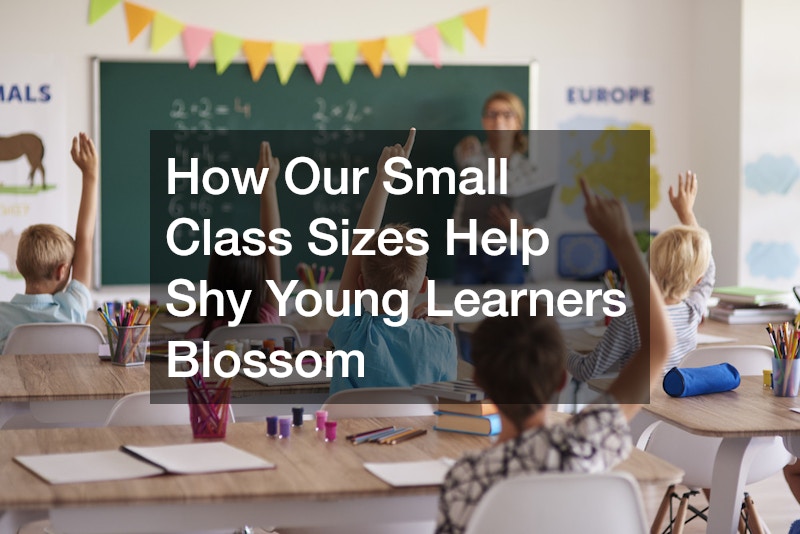
In an educational landscape where the needs of individual students are paramount, small class sizes have become a sanctuary for shy, young learners. Introverted children often thrive in preschool environments that nurture their unique personalities and learning methods. Our educational approach places a high value on small class sizes, allowing hidden talents to flourish and confidence to take root. These classes create a supportive and personalized setting, bridging the gap between educators and students.
Providing Personalized Attention for Shy Learners
Smaller classes in a preschool mean more tailored attention for each student. In a crowded classroom, a shy student might shrink further into the background, unnoticed amidst the hustle and bustle. However, with fewer students, teachers can devote more time to understanding individual learning styles and emotional needs. This personalized attention can make all the difference in encouraging shy children to step forward and express themselves. According to the National Center for Education Statistics, about 86% of five-year-olds are enrolled in school, highlighting the importance of getting these early educational experiences right for such a high percentage of young learners.
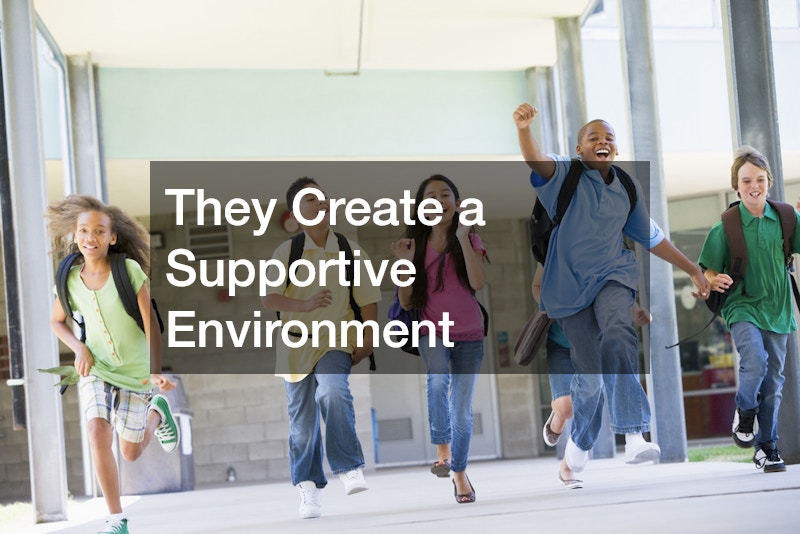
Creating a Supportive Environment for Participation
In addition to personal attention, small classes foster a supportive environment where shy little ones feel safe to participate. When young learners know their contributions will be heard and valued, it boosts their confidence. A smaller group makes classroom interactions less intimidating, which encourages quieter students to share their thoughts. Building these communication skills in a nurturing setting prepares them to navigate larger social environments as they grow. Our commitment to this kind of education helps shy learners feel both seen and heard.
Building Strong Peer Relationships and Social Confidence
Another essential benefit of small class sizes in a preschool is the opportunity for strong peer relationships. Young children form bonds more easily in a close-knit group, reducing feelings of social anxiety. Shy little ones benefit from forming meaningful connections with classmates who understand and accept them. Over time, these relationships cultivate a sense of belonging and teamwork, essential components that spark personal growth and social development.
Small class sizes empower shy young learners by providing the personal attention, supportive environment, and strong peer relationships they need to thrive. By carefully nurturing these aspects of education, we ensure that every child can blossom into their full potential. As educators, our mission is to create a space where all children feel valued and inspired, turning what may begin as shyness into confident self-expression.