

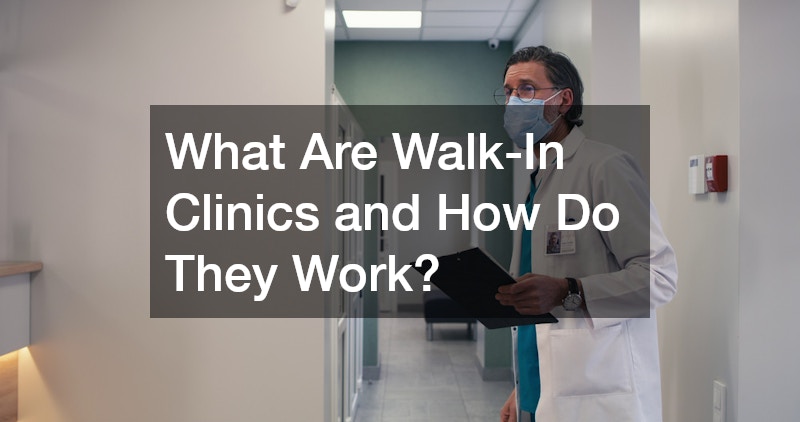

When you need medical attention but don’t have time to wait for an appointment, walk in clinics can be a convenient and affordable solution. These clinics are designed to provide immediate care for non-emergency health issues, offering quick access to healthcare professionals without the need for a scheduled visit. Whether you are dealing with a minor illness, an injury, or simply need a routine checkup, walk in clinics bridge the gap between the doctor’s office and the emergency room.
Understanding What Walk-In Clinics Are
Walk in clinics are healthcare facilities that allow patients to see a medical provider without making an appointment. They are often staffed by licensed physicians, nurse practitioners, or physician assistants who can diagnose and treat a variety of minor medical conditions.
These clinics have become increasingly popular because of their accessibility, extended hours, and lower costs compared to hospital emergency rooms.
The main goal of walk in clinics is to make healthcare more convenient for people with busy schedules or those who cannot get a timely appointment with their primary doctor. Many of these facilities are located in easily accessible places such as shopping centers, pharmacies, or grocery stores, providing quick access to medical services when you need them most.
Common Conditions Treated at Walk-In Clinics
Walk in clinics can treat a wide range of non-emergency health concerns. Some of the most common conditions they handle include:
- Common colds, flu, and sore throats
- Ear infections and sinus infections
- Minor cuts, burns, and sprains
- Bladder infections and urinary tract infections (UTIs)
- Allergies and mild asthma symptoms
- Skin conditions like rashes, insect bites, or minor infections
- Routine vaccinations and immunizations
In addition to treating illnesses and injuries, many walk in clinics also offer preventive care services such as physical exams, blood pressure checks, and cholesterol screenings. This makes them a convenient option for maintaining overall health without waiting weeks for an appointment.
How Walk-In Clinics Operate
Visiting a walk in clinic is typically simple and streamlined. Patients can walk in during business hours, register at the front desk, and provide basic health information. Unlike traditional doctor’s offices, these clinics usually operate on a first-come, first-served basis, which means you can often be seen the same day, sometimes within minutes.
Once you are seen by a healthcare professional, they will review your symptoms, perform an exam, and may order basic tests such as a rapid flu test, strep test, or urine analysis. The provider will then diagnose the issue and recommend appropriate treatment. This may include prescribing medication, providing bandages or wound care, or referring you to a specialist if needed.
The overall experience is designed for speed and convenience. Most visits last between 15 to 30 minutes, depending on the condition being treated. This efficiency makes walk in clinics an appealing choice for people with busy schedules or those who want prompt relief for minor ailments.
The Benefits of Walk-In Clinics
There are several advantages to choosing walk in clinics for non-emergency medical care:
- Convenience – You don’t need an appointment. This makes it easy to see a healthcare provider quickly, especially during evenings and weekends when other offices may be closed.
- Affordability – Compared to emergency room or urgent care costs, walk in clinics are generally much more affordable. Most accept insurance, and they often provide transparent pricing for self-pay patients.
- Accessibility – Because they are often located in busy areas such as retail centers or pharmacies, these clinics are convenient for people who need care close to home or work.
- Shorter Wait Times – Instead of waiting days for a doctor’s appointment or hours in an emergency room, patients can get care within minutes.
- Comprehensive Basic Care – Many walk in clinics offer a wide range of services, from treating infections and injuries to performing physicals and vaccinations, making them a one-stop solution for common health needs.
These benefits make walk in clinics particularly useful for individuals who want fast and reliable care without the long delays associated with traditional medical settings.
When to Choose a Walk-In Clinic
Walk in clinics are an excellent option for minor medical issues, but they are not designed to handle life-threatening emergencies. If you are experiencing severe symptoms such as chest pain, difficulty breathing, significant bleeding, or stroke-like symptoms, you should go directly to an emergency room or call 911.
For most everyday health concerns, walk in clinics provide the right balance of accessibility, quality care, and cost-effectiveness. They are especially helpful if you need quick treatment for a common illness, injury, or medical service such as a flu shot or physical exam.
The Growing Role of Walk-In Clinics in Healthcare
With today’s fast-paced lifestyles and growing demand for accessible healthcare, walk in clinics are becoming a vital part of the medical landscape. They complement traditional primary care by offering flexible, on-demand service, allowing patients to receive timely treatment without long wait times.
More people are now turning to walk in clinics for their urgent but non-emergency medical needs because of their affordability and convenience. As these clinics continue to expand and evolve, they play an increasingly important role in improving overall access to quality healthcare.
Walk in clinics provide a simple, quick, and budget-friendly way to get medical attention for minor health concerns. They fill the gap between a doctor’s office and the emergency room, delivering care exactly when and where it is needed.