


In the world of construction and demolition, dismantling services have emerged as crucial operations with a wide range of applications. From mega industrial projects to small-scale renovations, dismantling services provide a methodical approach to dismantling structures efficiently and safely. Among these, industrial dismantling services play a significant role in ensuring the sustainable transition of physical infrastructure. The growing demand for these services is a testament to their effectiveness and necessity.
This article delves into various applications of dismantling services and examines their vital role in modern infrastructure development.
1. Renovation and Remodeling Projects
One of the primary areas where dismantling services find their application is in renovation and remodeling projects. In such projects, detailed and careful dismantling is essential to ensure that existing structures are preserved to the maximum extent. Industrial dismantling services offer the expertise and precision required to dismantle specific sections without damaging the integrity of the whole structure. This is particularly vital in urban areas where space is limited, and buildings are often in close proximity. Professionals in dismantling are adept at managing these projects, ensuring both safety and efficiency.
Efficiency in dismantling procedures is achieved through the use of advanced technology and equipment. These services have access to specialized machinery that allows for precision cutting and removal of materials. For instance, while demolishing a commercial building, these services ensure minimal disruption to surrounding entities by employing state-of-the-art equipment. Industrial dismantling services provide a tailored approach depending on the specific needs of the renovation project. As a result, clients often find that these services not only meet but exceed their safety and logistical expectations.
Moreover, sustainability is at the forefront when considering dismantling for renovations. By carefully removing components, materials can be recycled and reused, reducing the environmental impact. For instance, metal beams, wood, and insulation materials can be salvaged and employed in new construction, promoting a circular economy. The involvement of industrial dismantling services guarantees that a significant portion of dismantled materials re-enters the supply chain, thereby minimizing waste. This eco-friendly approach is increasingly becoming the standard in construction practices worldwide.
2. Site Clearance for New Developments
Dismantling services are essential when it comes to clearing sites for new developments. These services are responsible for the safe and efficient removal of any pre-existing structures, making way for new construction projects. Industrial dismantling services are particularly beneficial in this regard, as they handle complex operations involving large structures. By utilizing expert techniques, they ensure that the site is thoroughly cleared while adhering to safety regulations. This step is crucial in preparing a site for the groundbreaking of new developments.
During site clearance, industrial dismantling services provide detailed planning and execution of the dismantling process. Each project is assessed individually to determine the optimal strategy for safe and efficient site clearance. The precision offered by these services is key to ensuring that any sub-surface utilities are protected and that the groundwork is left intact for future development. By focusing on a well-coordinated dismantling plan, these services minimize the risk of delays in the construction timeline. Consequently, developers can proceed with confidence knowing the site has been prepared to high standards.
Furthermore, dismantling services prioritize reducing environmental impact during site clearance operations. Through responsible disposal and recycling of materials, ecological disruption is minimized. Industrial dismantling services often work in partnership with waste management companies to ensure sustainable outcomes. They implement strategies that aim to recycle as much material as possible, ensuring that rubble and debris are transformed into valuable resources. This approach not only supports sustainable building practices but also aligns with regulatory requirements focused on minimizing environmental footprints.
3. Decommissioning of Industrial Facilities
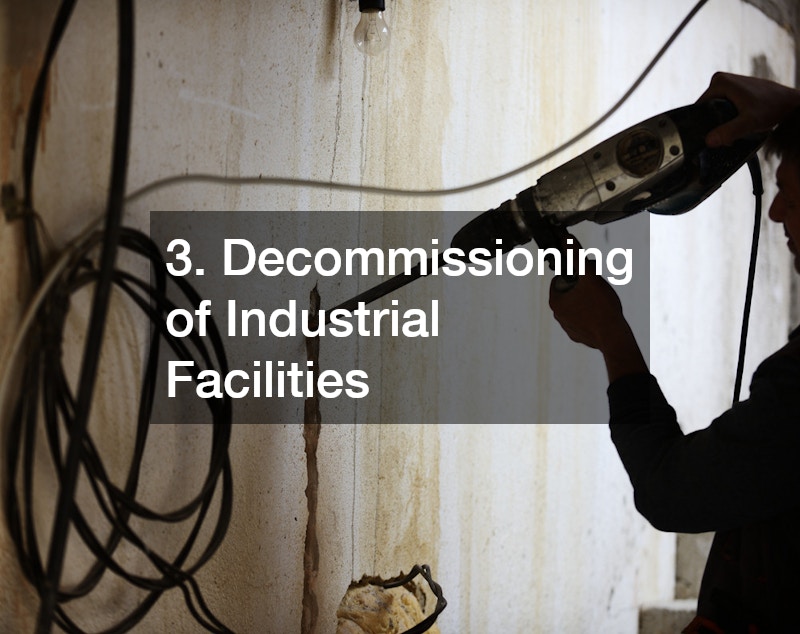
Decommissioning industrial facilities is another critical application of dismantling services. Such projects require a high level of expertise, as these facilities often contain hazardous materials and complex machinery. Industrial dismantling services are equipped to handle the intricate process of decommissioning, ensuring that these sites are rendered safe for future use. The careful dismantling of industrial facilities supports redevelopment or allows the land to be repurposed effectively. As industries evolve, the decommissioning process is crucial to facilitate the transition to new and diversified uses.
The decommissioning process begins with a comprehensive assessment of the facility and its components. This enables industrial dismantling services to develop a detailed plan addressing safety, environmental concerns, and resource recovery. The goal is to systematically dismantle the infrastructure while ensuring minimal disruption and adherence to stringent safety protocols. Skilled professionals meticulously dismantle industrial components, transport hazardous materials responsibly, and contribute to a sustainable site closure. These services help industries meet regulatory requirements and facilitate a smooth transition during plant closure.
Ultimately, decommissioning with the assistance of industrial dismantling services ensures that environmental liabilities are mitigated. These services play a pivotal role in the reclamation of space and the potential for land reuse. Through innovative methods and precise execution, valuable materials are recovered, and any environmental contaminants are addressed systematically. This process not only prepares the land for future sustainable development but also aligns with corporate social responsibility initiatives. The expert handling of industrial decommissioning reflects the indispensable nature of these services in modern industrial operations.