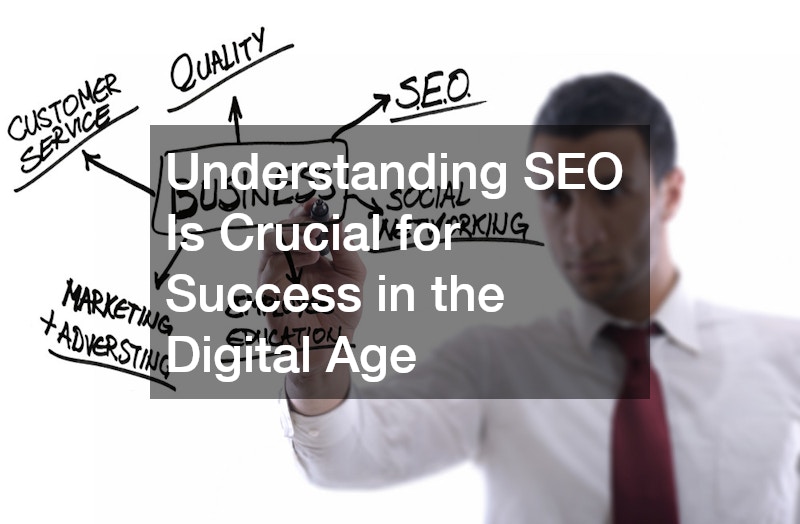

In this article, we will demystify SEO (Search Engine Optimization) with insights from a top SEO company. We aim to explain its intricacies and address the most common questions and topics people inquire about. Whether you’re a business owner or a digital marketer, understanding SEO is crucial for success in the digital age.
1. What is SEO and Why is it Important?
1.1 Understanding SEO Basics
SEO, or Search Engine Optimization, is the process of improving the visibility of a website on search engines like Google. Search engines use algorithms to determine the relevance and quality of web pages in response to a user’s query. By optimizing your website with relevant content and keywords, you can improve your site’s ranking on search engine results pages (SERPs).
Understanding how search engines work is fundamental to SEO. Search engines crawl the web, indexing pages through a complex algorithm that evaluates numerous factors. Websites that adhere to SEO best practices stand a better chance of ranking higher in search results.
Effective SEO strategies enhance the user experience by delivering relevant, authoritative information. By focusing on key SEO principles, businesses can attract more organic visitors from search engines. The ultimate goal of SEO is to drive traffic to a site, increasing brand visibility and potential revenue.
1.2 The Importance of SEO in Digital Marketing
SEO plays a pivotal role in digital marketing by enhancing the visibility of websites online. Organic traffic, generated through search engine results, is often considered the most valuable form of traffic. It reflects genuine interest and aligns with user intent, making SEO an indispensable tool for digital marketers.
Unlike paid advertising, the results of successful SEO are long-lasting. Once a site achieves a high ranking, it can receive consistent organic traffic without ongoing ad costs. This consistency translates into a more reliable stream of potential customers or clients visiting a website.
The importance of SEO extends beyond mere traffic numbers. By focusing on quality content and user experience, SEO helps establish brand authority and trustworthiness. Businesses that prioritize SEO are more likely to achieve sustainable growth and a competitive edge in their industry.
1.3 Common Misconceptions About SEO
Despite its importance, there are many misconceptions about SEO. One common myth is that SEO is just about manipulating search engines with keywords. In reality, quality content and user experience are equally important factors in a successful SEO strategy.
Another misunderstanding is that SEO yields immediate results. Unlike paid advertising, SEO is a long-term strategy that requires patience and ongoing effort. It’s important to maintain regular updates and adapt to changing search engine algorithms to sustain high rankings.
Lastly, some believe that SEO is a one-time effort, but this is far from true. The digital landscape is constantly evolving, making continuous SEO optimization necessary. Debunking these myths can help businesses better align their strategies with effective SEO practices.
2. How to Improve Your Website’s SEO?
2.1 On-Page SEO Optimizations
On-page SEO involves optimizing individual web pages to rank higher and earn more relevant traffic. Key elements include title tags, meta descriptions, and header tags, which help search engines understand the content. Proper use of keywords and improving the overall user experience are central to on-page optimization.
Creating high-quality, relevant content is a significant aspect of on-page SEO. It provides value to users and signals to search engines that your website offers authoritative information. Structured data, or schema markup, can be used to give search engines additional context about the content on your page.
User engagement is another critical on-page factor. Ensuring fast page load times, mobile responsiveness, and easy navigation can vastly enhance the user’s experience, reducing bounce rates. Optimizing these aspects signals to search engines that your site is user-friendly and deserving of a higher ranking.
2.2 Off-Page SEO Strategies
Off-page SEO refers to actions taken outside of your own website to impact rankings within SERPs. Building quality backlinks is a cornerstone of off-page SEO, as they function like votes of confidence from other sites. High-quality backlinks from reputable sites can significantly enhance your domain authority.
Social media marketing is another effective off-page strategy. By sharing your content across social platforms, you increase its visibility and the likelihood of others linking to it. Engagement in online communities and industry forums can also help establish your website as an expert resource.
Public relations efforts that earn media coverage can improve your online reputation. Features in reputable publications often result in valuable backlinks, enhancing your site’s credibility. Off-page SEO is all about creating a broad digital footprint that mirrors your brand’s authority and relevance.
2.3 Technical SEO Considerations
Technical SEO focuses on the back-end structure of your website to improve its visibility and indexing by search engines. Site speed is an essential aspect, as faster sites are favored by both users and search engines. Ensuring your site is secure, particularly through the use of HTTPS, is also a critical technical SEO practice.
Properly setting up your XML sitemap and robots.txt file can help search engines crawl your site more effectively. These technical elements guide crawlers and can prevent under- or over-indexing of pages. Optimizing image alt texts and ensuring proper mobile rendering also contribute to technical SEO success.
Addressing duplicate content issues and configuring structured data are additional technical considerations. Structured data aids search engines in understanding the context of your site’s content, which can enhance visibility. By focusing on these technical factors, you ensure that search engines can properly access and interpret your website’s content.
Conclusion
SEO is a crucial aspect of digital marketing that requires continuous learning and adaptation. By understanding its fundamentals, keeping up with trends, and implementing best practices, businesses can significantly enhance their online presence and drive more organic traffic. Investing in a solid SEO strategy ensures long-term success in an ever-evolving digital landscape.