Understanding how a septic system works is essential for homeowners who rely on this type of wastewater treatment. This article covers the basics of septic system service, including maintenance, troubleshooting common issues, and when to call a professional. By gaining insight into this crucial aspect of home maintenance, homeowners can ensure the system operates efficiently.
With septic systems being a vital part of many rural and suburban households, their functionality is paramount. This article will guide you through the essentials, enabling you to manage your septic system effectively, thus preventing inconvenient and costly issues.
What is a Septic System and How Does It Work?
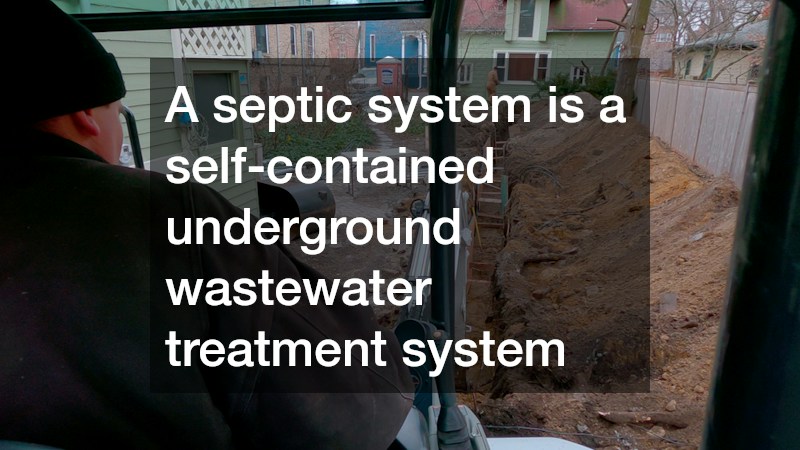
A septic system is a self-contained underground wastewater treatment system. It typically comprises a septic tank and a drain field, also known as a leach field. The wastewater from your home flows into the septic tank where solids settle at the bottom, forming sludge, while oil and grease float to the top as scum. The remaining liquid wastewater exits the tank into the drain field where it is naturally filtered and purified by the soil. This process allows waste to be safely deposited back into the environment, completing the wastewater cycle sustainably.
Septic systems are especially important in areas that do not have centralized sewer systems. By providing on-site treatment, they help to manage waste without the requirement for extensive infrastructure. Homeowners must be aware of how their septic system operates to ensure proper care and maintenance. The septic design considers several factors such as household size, soil type, and the groundwater level. Understanding these components helps in managing the system efficiently and keeping it functional for years to come.
How to Maintain Your Septic System?
Proper maintenance is crucial for extending the life of your septic system. Regular pumping of the septic tank is essential—typically, this should be done every 3 to 5 years, depending on the household size and water usage. Inspections should be conducted periodically to ensure that the system is working correctly and efficiently. It is crucial to be mindful of what goes down the drain; items like grease, non-degradable materials, and harsh chemicals can cause blockages and damage to the system. By practicing these maintenance strategies, you help prevent system failures that could result in expensive repairs.
A fundamental maintenance practice includes conserving water within the home. Excessive water usage can overload the system, preventing it from properly treating wastewater. Homeowners can implement water-saving techniques, such as using water-efficient fixtures and appliances. Routine check-ups can help identify minor issues before they become significant problems, allowing for timely interventions. Also, ensuring the area around the septic system is not compacted or flooded can maintain the proper function of the leach field.
Incorporating routine care into daily activities can significantly impact the performance of a septic system. Simple actions, like spreading laundry loads over the week instead of doing it all in one day, can mitigate strain on the system. Planting grass instead of trees above the drain field prevents root infiltration, which can damage pipes. Avoid using septic additives unless recommended by a professional, as many can harm the beneficial bacteria within the tank. By adhering to these practices, homeowners can optimize system function, safeguarding the environment and family health.
Common Septic System Problems and Solutions
Septic systems can encounter several common issues, which if unaddressed, can escalate into significant problems. A frequent concern is the backflow of wastewater, which can occur when the drain field becomes saturated, or lines are clogged. This issue often manifests through slow drains, gurgling pipes, and unpleasant odors, indicating potential danger. By routinely inspecting the system and addressing any developing symptoms, homeowners can avoid this inconvenience and environmental hazard. Quick response to these early signs, combined with preventive maintenance, ensures continued system performance.
Another prevalent problem is the buildup of solids within the septic tank, reducing its capacity to treat waste efficiently. This can be aggravated by the introduction of inappropriate materials into the system, such as fats, oils, grease, and non-biodegradable substances. Over time, these materials form sludge and scum that impair the system’s natural breakdown process, leading to overflow and blockage. Regular professional inspections and pumping are critical in managing these accumulations, ensuring that the system remains free-flowing and effective. Timely interventions keep the system in optimal condition, preventing needless interruptions to daily life.
Understanding the basics of your septic system and maintaining it properly can help ensure its longevity and efficiency, providing peace of mind for homeowners. Through regular maintenance and mindful usage, the risk of system failures and costly repairs can be significantly reduced. Addressing issues early on, before they manifest into larger problems, is critical in preserving the system’s function. The careful implementation of preventative measures supports the sustainable management of wastewater. By following these guidelines, homeowners can protect their investment and the environment, benefitting their quality of life and the community as a whole.