

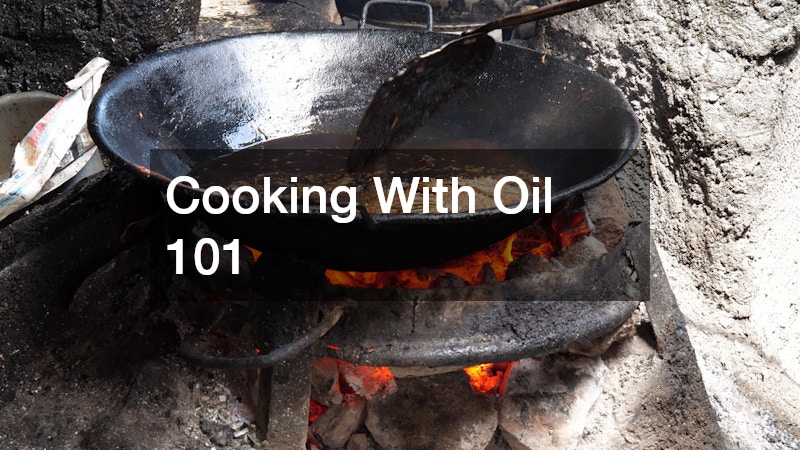
Cooking with oil is a fundamental skill in any kitchen, whether you’re a home cook or an aspiring chef. Oils not only provide flavor and richness but also play a critical role in cooking techniques like frying, sautéing, and baking. Understanding how to select, store, and reuse oils safely can enhance both the taste and nutritional quality of your meals. This guide will explore the basics of cooking with oil, including the role of used cooking oil, smoke points, and healthy choices.
Understanding Different Types of Cooking Oil
There are many types of cooking oils available, each with unique properties and uses. Common options include vegetable oil, canola oil, olive oil, coconut oil, and peanut oil. Each oil has a specific smoke point—the temperature at which it starts to break down and produce smoke. Cooking oils with higher smoke points, like peanut and avocado oil, are ideal for frying or searing, while oils with lower smoke points, such as extra virgin olive oil, are better suited for drizzling over salads or finishing dishes.
Flavor is another factor to consider. Neutral oils, such as canola and sunflower oil, allow the natural flavors of ingredients to shine, while oils like sesame or coconut can impart distinct tastes to your dishes. Choosing the right oil for the cooking method and flavor profile is essential for successful results.
The Role of Used Cooking Oil
Used cooking oil can be a valuable resource if handled correctly. After frying or sautéing, some oils retain flavor and nutrients that can be reused for other cooking purposes. Reusing oil not only reduces waste but can also save money in the kitchen. However, it is important to strain and store used cooking oil properly to prevent rancidity and contamination.
To reuse oil safely, allow it to cool, strain it through a fine mesh or cheesecloth to remove food particles, and store it in an airtight container in a cool, dark place. Used cooking oil should be inspected for any off smells or changes in color before reuse. If the oil smells rancid or has a thick, sticky consistency, it’s best to discard it. Keeping track of how many times oil has been reused is also important, as repeated heating can break down the oil’s structure and release harmful compounds.
Smoke Points and Cooking Techniques
Understanding the smoke point of your oil is crucial for both flavor and safety. When oil reaches its smoke point, it not only produces unpleasant flavors but can also release free radicals and harmful compounds. For high-heat cooking methods like frying, roasting, or searing, choose oils with high smoke points, such as peanut, sunflower, or refined vegetable oil.
For lower-heat cooking, like sautéing or light baking, oils with moderate smoke points, such as olive or grapeseed oil, work well. By matching the oil to the cooking technique, you can maintain the integrity of the dish while ensuring safe cooking practices.
Health Considerations
Not all oils are created equal when it comes to health. Oils rich in unsaturated fats, such as olive oil, canola oil, and avocado oil, are considered heart-healthy choices. They help reduce bad cholesterol and support overall cardiovascular health. Saturated fats, like coconut oil, should be used in moderation. Trans fats, often found in partially hydrogenated oils, should be avoided due to their negative impact on heart health.
Used cooking oil can sometimes have altered health properties if it has been overheated or reused excessively. Overheated oil can break down, forming harmful compounds that may affect health over time. Therefore, it is essential to monitor used cooking oil carefully and use it only a limited number of times.
Storing and Handling Oil Safely
Proper storage and handling of cooking oil extends its shelf life and maintains its quality. Oils should be stored in cool, dark places, away from heat and sunlight, which can accelerate oxidation and spoilage. Clear bottles should be kept in cupboards to avoid light exposure, while opaque containers help protect the oil from harmful UV rays.
When handling used cooking oil, always strain it to remove food debris and store it in a clean container. Avoid mixing different types of oils, as this can affect flavor and performance during cooking. Labeling containers with the type of oil and the number of times it has been reused can help maintain safe cooking practices.
Whether you are frying, sautéing, roasting, or baking, choosing the right oil and handling it properly can make a significant difference in the quality and flavor of your meals. With careful attention to these details, cooking with oil can be both enjoyable and efficient, helping you create delicious and satisfying dishes for years to come.
Using used cooking oil responsibly is a practical way to minimize waste and maximize resources, and it’s a skill that every home cook should master. By incorporating these practices into your cooking routine, you can enjoy flavorful meals while practicing sustainability in the kitchen.