

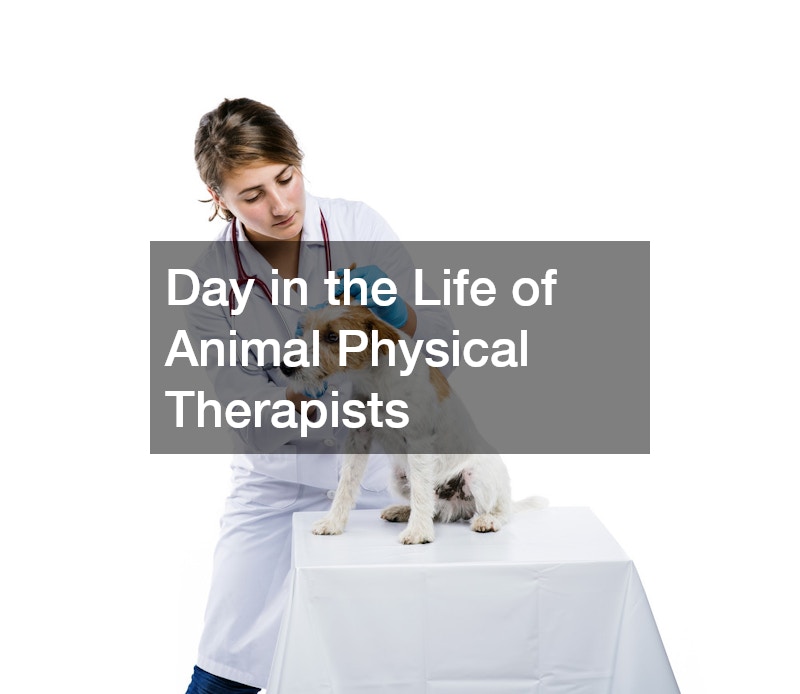

Explore the fascinating world of animal physical therapy, where dedicated professionals enhance the well-being of animals using specialized techniques and treatments. This article delves into the daily routines, challenges, and rewarding aspects of being an animal physical therapist.
What are the typical responsibilities of an animal physical therapist?
Conducting Assessments
An animal physical therapist begins their routine with a thorough assessment of each animal. This crucial step ensures that the therapist understands the unique physical conditions and therapy needs of every patient.
Assessments typically include evaluating mobility, pain levels, and functional limitations. By gathering this information, the therapist can establish a baseline and measure progress throughout the treatment.
The initial evaluation allows therapists to identify underlying issues that may not be immediately apparent. This level of detail helps in crafting a more effective treatment plan tailored to the animal’s requirements.
Developing Treatment Plans
Based on the assessments, therapists develop customized treatment plans for each animal. These plans are designed to address the specific challenges faced by the animal, such as joint stiffness or muscle weakness.
Creating a treatment plan often involves setting short-term and long-term rehabilitation goals. Animal physical therapists take into account factors like age, breed, and overall health to create a manageable and effective plan.
Additionally, therapists regularly review and adjust these plans to ensure they align with the animal’s progress and changing needs. This dynamic approach helps to optimize healing and improve outcomes.
What types of conditions do animal physical therapists treat?
Orthopedic Issues
Animal physical therapists treat a variety of orthopedic conditions, such as hip dysplasia and arthritis. Techniques like controlled exercises and joint mobilizations are commonly used to improve mobility and reduce discomfort.
These professionals focus on strengthening muscles around affected areas, promoting joint function and stability. By targeting these areas, therapists help animals regain their ability to move freely and comfortably.
Physical therapy is an integral part of the recovery process for animals recovering from surgery. It ensures a smooth transition back to normal activity levels while minimizing the risk of re-injury.
Neurological Disorders
Animal physical therapists also work with animals experiencing neurological issues, such as spinal cord injuries or degenerative myelopathy. They employ various techniques to enhance nerve function and coordination.
Exercises aimed at improving balance and coordination help animals adapt to their conditions, enhancing their quality of life. Therapists play a pivotal role in guiding these animals through complex rehabilitation processes.
Physical therapy can delay the progression of some neurological disorders by maintaining muscle tone and preventing secondary complications. This proactive approach is vital for enhancing the longevity and happiness of affected animals.
What techniques and equipment are commonly used in animal physical therapy?
Manual Therapy Techniques
Animal physical therapists incorporate manual therapy techniques, such as massage and joint manipulation, into their treatment sessions. These hands-on methods help relieve muscle tension, improve circulation, and facilitate healing.
Massage techniques specifically targeted to release trigger points can reduce pain and increase flexibility. The success of these techniques is often reflected in the visible relaxation and improved movement in animals.
Moreover, manual therapy can enhance the human-animal bond, making therapy sessions a positive experience. The tactile engagement promotes trust and cooperation during treatment.
Use of Specialized Equipment
Animal physical therapists utilize a range of specialized equipment, such as underwater treadmills and therapeutic lasers, to enhance rehabilitation. Underwater therapy offers a low-impact environment that supports exercise without joint stress.
Therapeutic lasers are used for their anti-inflammatory effects, accelerating tissue repair and pain reduction. This technology complements manual therapy, creating a comprehensive treatment approach.
These tools play a significant role in addressing complex cases where conventional therapy may not suffice. By incorporating advanced equipment, therapists provide cutting-edge care to animal patients.
How do animal physical therapists collaborate with other veterinary professionals?
Working with Veterinarians
Collaboration between animal physical therapists and veterinarians is essential in providing holistic animal healthcare. This partnership ensures that all aspects of an animal’s health are considered during treatment planning.
Veterinarians often refer patients to physical therapists post-surgery or for chronic pain management. Together, they strive for seamless integration of therapy with medical treatments to optimize animal recovery.
This collaboration allows for comprehensive monitoring of an animal’s progress, keeping all involved parties informed and aligned. Combined expertise leads to more informed decision-making in animal care.
Coordinating with Specialist Services
In complex cases, animal physical therapists work closely with other veterinary specialists, such as neurologists or orthopedic surgeons. This interdisciplinary approach addresses multifaceted problems more efficiently.
Specialists provide insights into specific conditions, aiding therapists in tailoring their techniques and treatments. This collaboration often results in more accurate diagnoses and targeted therapy strategies.
By coordinating efforts, specialists and therapists enhance the overall treatment efficacy, improving the quality of life for animals. Together, they create an integrated care network vital for successful rehabilitation outcomes.