


Undertaking a full home renovation can feel overwhelming, especially when you’re trying to balance improving your home’s functionality, aesthetics, and value with a tight budget. Many homeowners start with excitement, only to encounter unexpected expenses, scheduling conflicts, or costly mistakes that derail their plans.
The key to a successful, cost-effective renovation is meticulous planning. By carefully evaluating your priorities, understanding the condition of your home, and coordinating the right professionals, you can execute a comprehensive renovation without overspending. This guide will walk you through practical strategies to plan your project efficiently, from budgeting and sequencing work to managing contractors and selecting materials wisely.
1. Set a Realistic Budget and Prioritize Renovation Goals

One of the most common pitfalls in home renovations is starting without a clear understanding of your financial limits and project priorities. Without a solid foundation, it’s easy to overspend, make hasty decisions, or invest in upgrades that don’t truly improve the home’s value or livability. A thoughtful approach to budgeting and prioritization is essential to ensure your renovation delivers long-term benefits without breaking the bank.
Steps to Create a Budget
-
Assess your finances thoroughly:
Begin by reviewing all sources of income, savings, and potential financing options such as home equity lines of credit or renovation loans. Factor in recurring expenses, upcoming financial commitments, and emergency savings to determine a realistic budget ceiling for your renovation. A detailed financial assessment prevents overspending and allows you to make confident decisions about which projects are feasible. -
Break down projects into categories:
Divide your renovation into essential and optional improvements. Essential projects include structural repairs, roofing updates, plumbing and electrical fixes, and systems that ensure safety and comfort. Optional projects might include aesthetic upgrades like new paint, decorative trim, or luxury features such as custom countertops. Organizing projects in this way helps allocate funds efficiently and ensures that the most important work gets done first. -
Allocate contingency funds:
Renovations almost always uncover unexpected issues—hidden water damage, outdated wiring, or structural weaknesses. Set aside 10–15% of your total budget for these surprises. This buffer prevents delays and allows you to address problems promptly without derailing the overall plan. For example, discovering mold during a basement renovation may require hiring a basement contractor for remediation, which would otherwise throw off your financial plan.
Tips to Prioritize Renovation Goals Effectively
-
Focus on rooms with the most impact:
Kitchens and bathrooms typically offer the highest return on investment, both in functionality and resale value. Prioritizing upgrades in these areas ensures your money is well spent. Consider which spaces affect daily living the most—this will help you decide whether to renovate a family room, a master bedroom, or a basement first. -
Evaluate high-cost upgrades carefully:
Luxury features like custom countertops or high-end fixtures can enhance your home’s aesthetics and market appeal, but they come with higher price tags. Determine whether such upgrades are truly necessary for your lifestyle or if more affordable alternatives can deliver similar benefits. For instance, quartz or laminate surfaces may offer durability and style without the hefty price of premium stone countertops. -
Define the scope of specialized work:
Certain projects require professional expertise, and it’s critical to distinguish between structural work and cosmetic improvements. Hiring a basement contractor for foundational or structural updates is essential for safety and compliance with building codes. Cosmetic elements, such as painting or adding shelving, can usually be handled later or DIY, helping to stretch your budget further. -
Sequence projects by importance and cost:
Tackling high-priority, high-cost work first ensures that essential repairs are completed before funds are depleted on optional upgrades. For example:-
Repairing roof leaks or HVAC issues before installing new floors or cabinetry.
-
Addressing plumbing and electrical concerns before updating bathrooms or kitchens.
-
Completing structural basement work before investing in finishes or flooring.
-
-
Use cost estimates to guide decisions:
Obtain quotes from multiple contractors to understand the realistic costs of each project. This allows you to make informed decisions about which upgrades are feasible and helps prevent financial surprises.
By taking the time to carefully define your renovation priorities and establish a realistic budget, you lay a strong foundation for the entire project. Not only does this reduce financial stress, but it also allows you to make strategic choices about materials, labor, and scheduling. Clear priorities help ensure that every dollar spent contributes to a safer, more functional, and more valuable home.
2. Start With a Comprehensive Home Assessment
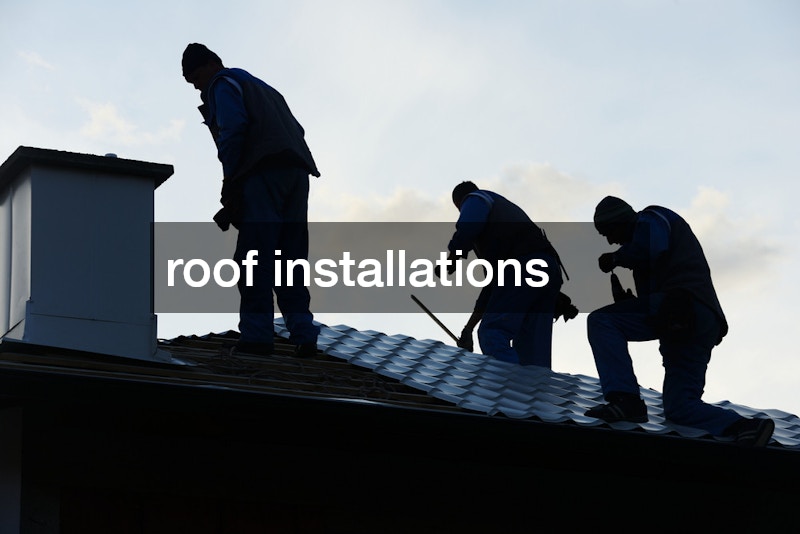
Before committing to any renovation projects, a thorough assessment of your home’s current condition is essential. This evaluation helps identify structural issues, outdated systems, and areas that could lead to costly surprises later.
Key areas to inspect:
-
Roof and exterior: Look for missing shingles, water stains, or sagging areas. Early detection can prevent expensive repairs.
-
Plumbing and drainage: Check for leaks, clogs, or signs of water damage.
-
Electrical systems: Ensure wiring is up to code and can handle the load of new appliances or HVAC systems.
-
Foundation and basement: Inspect for cracks, moisture, or signs of settling.
Working with professionals:
-
Roofing contractors can provide a detailed evaluation of your roof’s condition and suggest whether roof installations or repairs are needed.
-
A local roofing service may offer competitive rates and a quicker response for small repairs or inspections.
Conducting this assessment not only prevents future headaches but also allows you to prioritize repairs that directly affect safety and structural integrity.
3. Plan Interior Renovations Strategically
Interior renovations—such as updating kitchens, bathrooms, and living areas—often account for a large portion of your budget. Planning these upgrades strategically can save time and money.
Actionable tips:
-
Sequence updates wisely: Complete plumbing and electrical work before installing flooring or countertops to avoid rework.
-
Consider cost-effective alternatives: Refinishing cabinets, updating hardware, or using laminate instead of stone can reduce expenses without compromising style.
-
Focus on high-traffic areas: Investing in durable surfaces where wear and tear are greatest maximizes value.
Material and service considerations:
-
An epoxy flooring service can be a budget-friendly alternative to hardwood or tile, offering durability and easy maintenance in garages, basements, or high-traffic areas.
-
Upgrading to custom countertops may add luxury appeal and improve resale value, but compare options to ensure you’re getting the best price for materials and installation.
By planning interior renovations thoughtfully and balancing luxury with practicality, you can achieve a high-impact transformation while staying within budget.
4. Optimize Basement Renovations for Function and Value
Basements offer tremendous potential to increase usable space, whether for family rooms, home offices, or rental units. However, these projects can quickly become expensive without proper planning.
Tips for cost-effective basement renovation:
-
Address moisture and insulation first: Moisture control prevents mold growth and protects flooring and walls.
-
Evaluate structural needs: Only hire a basement contractor for essential structural or foundation work; cosmetic changes can often be completed independently or with less specialized labor.
-
Plan HVAC and electrical upgrades: Ensure proper heating, cooling, and lighting are in place before finishing walls or floors.
Integrate essential systems efficiently:
-
Schedule HVAC repair or upgrades alongside other mechanical work to reduce redundant labor costs.
-
Use energy-efficient materials and fixtures to lower long-term utility bills.
Basement renovations that are carefully planned with structural and mechanical systems in mind can significantly increase your home’s value while remaining budget-conscious.
5. Improve Your Home’s Exterior Efficiently

The exterior of your home creates the first impression and can have a major impact on resale value. Prioritizing exterior updates strategically allows you to enhance curb appeal without overspending.
Practical exterior renovation tips:
-
Invest in durable, low-maintenance materials: High-quality fencing, paint, and siding may cost more initially but reduce long-term upkeep.
-
Bundle projects when possible: Schedule multiple exterior tasks simultaneously to save on labor costs and disruption.
-
DIY when appropriate: Landscaping, painting, or minor repairs can often be handled independently to reduce expenses.
Professional services to consider:
-
Hire a fence company for durable boundary installation that improves both aesthetics and security.
-
Evaluate the need for roof installations, especially if your roof is nearing the end of its lifespan or shows signs of damage.
By balancing DIY projects with professional services and focusing on high-impact improvements, your home’s exterior can look polished without exceeding your budget.
6. Handle Plumbing and Sewer Issues Before They Become Costly

Plumbing issues can quickly turn into major financial headaches if not addressed early. Proactive maintenance and repair help avoid emergencies and additional renovation delays.
Cost-saving tips:
-
Inspect before renovating: Check all pipes, water heaters, and drains for leaks, corrosion, or slow flow.
-
Schedule preventative repairs: Fixing minor issues now is far cheaper than dealing with extensive water damage later.
-
Plan around renovations: Coordinate plumbing work with interior updates to avoid unnecessary demolition or rework.
When to call professionals:
-
A local sewer service can perform inspections, cleaning, or emergency repairs to ensure proper wastewater management.
-
Consider septic repair if your home relies on a septic system; delayed maintenance can lead to extensive damage and costly replacements.
Addressing plumbing and sewer concerns early allows your renovation to proceed smoothly and prevents hidden costs from derailing your budget.
7. Upgrade Heating, Cooling, and Ventilation Strategically
Energy efficiency and comfort are key considerations during a home renovation. Upgrading or repairing your heating, ventilation, and air conditioning system at the right time can save both money and hassle.
Practical advice:
-
Evaluate your system’s lifespan: Older HVAC units may need HVAC repair or replacement. Early upgrades prevent costly emergency replacements.
-
Coordinate with other work: If you’re completing roof or attic renovations, ensure vents, ductwork, and insulation are integrated properly.
-
Consider energy efficiency: Modern systems reduce utility bills and improve overall comfort.
Working with contractors:
-
Align HVAC work with roofing contractors inspections, especially if roofing or attic work is planned. Ensuring vents and ducting are intact avoids redundancy and added labor costs.
Strategically planning your HVAC updates ensures comfort, reduces energy costs, and integrates seamlessly with other renovation projects.
8. Shop Smart for Materials and Labor
Material and labor costs often constitute the largest portion of a renovation budget. Making informed choices here can dramatically reduce expenses while maintaining quality.
Tips for smart shopping:
-
Get multiple quotes: Always compare at least three contractors or suppliers before committing.
-
Negotiate bundled services: Many contractors offer discounts when multiple services are hired at once.
-
Prioritize durability over aesthetics: Durable materials reduce maintenance costs and last longer, saving money over time.
Practical examples:
-
An epoxy flooring service may provide a cost-effective alternative to hardwood or tile, offering both durability and affordability.
-
Consider different options for custom countertops, such as laminates, quartz, or locally sourced stone, to balance budget and style.
Shopping strategically ensures you’re investing wisely and prevents overspending on high-ticket items that offer minimal return.
9. Sequence Renovations to Minimize Disruption and Costs
Proper sequencing of renovation projects is critical for efficiency. Poor planning can lead to wasted labor, rework, and extended timelines.
Sequencing strategies:
-
Complete structural and mechanical work (foundation, plumbing, electrical) before cosmetic updates.
-
Schedule exterior renovations, like fencing or roofing, before landscaping or driveway work.
-
Coordinate multi-room projects to minimize contractor overlap.
Professional coordination:
-
A basement contractor should complete structural work before exterior improvements begin.
-
Schedule a fence company after major exterior construction to avoid damage during material delivery or heavy equipment use.
By sequencing work logically, you reduce labor redundancies, protect new installations, and maintain control over your renovation budget.
10. Monitor Progress and Adjust Your Plan
Even with meticulous planning, unexpected issues often arise. Regular monitoring and flexible planning help you stay on budget and on schedule.
Monitoring tips:
-
Track expenses against your original budget and adjust allocations as necessary.
-
Inspect work at key milestones to ensure quality and avoid costly corrections later.
-
Communicate consistently with contractors to resolve issues promptly.
Professional oversight:
-
If additional roof work is discovered, consult your local roofing service or roofing contractors for revised quotes and advice.
-
Adjust timelines and priorities without compromising essential repairs or upgrades.
Proactive monitoring ensures your renovation remains efficient, avoids budget overruns, and produces high-quality results.
Planning a complete home renovation without overspending requires discipline, foresight, and a clear strategy. By setting realistic budgets, assessing your home thoroughly, sequencing projects thoughtfully, and working with the right professionals, you can achieve transformative results without financial strain.
Every decision—from choosing materials to coordinating contractors—impacts both your immediate costs and the long-term value of your home. With careful planning and strategic execution, your renovation can enhance comfort, functionality, and resale value, all while staying within budget.