


Introduction
Owning a home and a vehicle gives you independence, stability, and convenience—but it also brings responsibility. Systems wear down. Parts fail. Weather happens. And if small problems go unnoticed, they often turn into expensive emergencies. The difference between a manageable repair and a financial setback usually comes down to timing, awareness, and preparation.
Most breakdowns don’t happen overnight. A water heater rumbles for months before it leaks. A garage door groans long before a spring snaps. A transmission slips slightly before it fails entirely. Learning to recognize these early signals—and understanding how systems work—puts you in control.
This handbook is designed to help homeowners and vehicle owners approach repairs strategically. You’ll find practical diagnostics, preventative maintenance steps, budgeting advice, and guidance on when to call a professional. With the right approach, you can extend the life of major systems, reduce long-term costs, and handle repairs confidently rather than reactively.
Start With a Systematic Inspection Routine
Before diving into individual repair categories, the most powerful tool you can develop is a consistent inspection habit. Routine inspections prevent surprises and allow you to address issues while they’re still minor.
Build a Simple Inspection Schedule
Break your checks into manageable intervals:
Monthly
-
Inspect visible plumbing connections under sinks.
-
Check for new cracks in walls or ceilings.
-
Test garage door safety sensors.
-
Check vehicle oil level and tire pressure.
-
Look for fluid spots under your vehicle.
Quarterly
-
Inspect exterior siding and foundation for cracks.
-
Test sump pumps.
-
Check HVAC filters.
-
Inspect belts and hoses under your vehicle hood.
Biannual
-
Clean gutters.
-
Inspect roof surfaces from the ground.
-
Schedule HVAC service.
-
Rotate vehicle tires.
Annual
-
Schedule full mechanical inspection for your vehicle.
-
Inspect attic insulation and ventilation.
-
Flush water heater.
-
Inspect driveway and foundation for structural shifts.
Document What You Find
Keep a repair log that includes:
-
Date of inspection
-
Observed issues
-
Repairs completed
-
Contractor contact information
-
Warranty expiration dates
A written record helps you:
-
Track recurring problems
-
Identify aging systems
-
Budget proactively
-
Provide documentation for insurance claims
A systematic inspection routine turns repair management from reactive to strategic.
Restore Hot Water Performance Before Major Failure

Hot water is easy to take for granted—until it disappears. Addressing performance issues early can prevent complete system failure and costly water damage.
Signs You May Need water heater repair
Watch for:
-
Inconsistent water temperatures
-
Rust-colored or cloudy hot water
-
Rumbling or popping noises
-
Reduced hot water supply
-
Leaks around the tank base
-
Higher energy bills without explanation
Sediment buildup is one of the most common causes of problems. Minerals settle at the bottom of the tank, reducing efficiency and causing overheating.
Preventative Maintenance Steps
To reduce the likelihood of emergency water heater repair:
-
Flush the tank once per year to remove sediment.
-
Test the temperature-pressure relief valve annually.
-
Check the anode rod every 2–3 years.
-
Maintain thermostat setting around 120°F.
-
Insulate exposed hot water pipes.
If your system is 8–12 years old, begin budgeting for replacement before it fails. Sudden tank rupture can cause extensive flooring and drywall damage.
When to Call a Professional
Seek professional help if you notice:
-
Active leaking
-
Electrical malfunctions
-
Gas odors
-
Persistent overheating
Early intervention typically costs far less than full replacement plus water damage restoration.
Prevent Underground Plumbing Disasters
Problems beneath your yard can quietly develop for years before becoming visible. Addressing drainage issues early prevents excavation-level expenses.
Warning Signs of sewer line repair Needs
Be alert for:
-
Multiple slow drains in the home
-
Recurring toilet backups
-
Gurgling sounds in pipes
-
Sewage odors indoors or outside
-
Wet or sunken areas in your yard
Common causes include:
-
Tree root intrusion
-
Pipe corrosion
-
Ground shifting
-
Collapsed pipe sections
Modern camera inspections allow professionals to assess damage without unnecessary digging.
Managing Septic Systems Carefully
Homes with septic systems require special attention. Signs that septic installation repairs may be necessary include:
-
Standing water near the drain field
-
Foul odors outdoors
-
Slow-draining sinks and tubs
-
Sewage backup indoors
Preventative measures include:
-
Pumping every 3–5 years
-
Avoiding grease disposal down drains
-
Limiting water overuse
-
Keeping heavy equipment off drain fields
-
Directing stormwater away from septic areas
Routine inspections help avoid system collapse and expensive soil replacement.
Stop Structural Deterioration Early
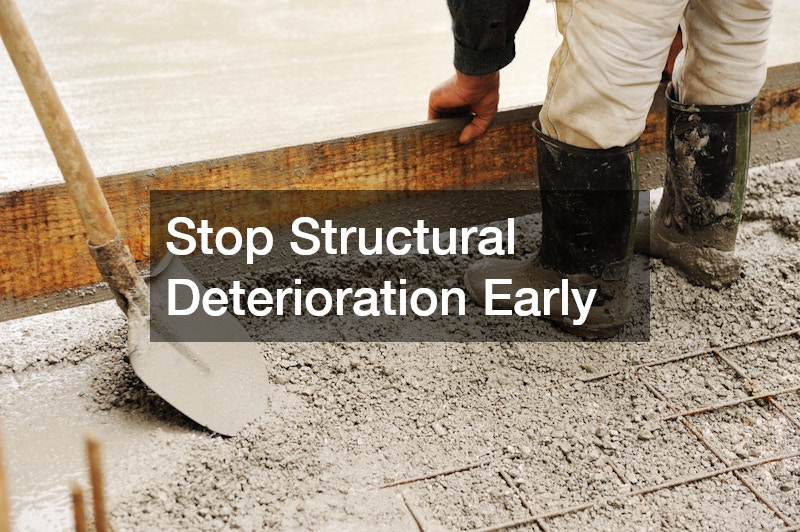
Concrete surfaces and foundations often reveal early warning signs before serious structural compromise.
Recognizing When Cracks Matter
Not all cracks are equal.
Minor hairline cracks
-
Typically cosmetic
-
Caused by curing shrinkage
-
Easily sealed
Vertical foundation cracks
-
Often from settlement
-
May require monitoring
Horizontal or widening cracks
-
Potential structural concern
-
Require professional evaluation
Performing concrete repairs Effectively
For small issues:
-
Clean cracks thoroughly.
-
Use epoxy or polyurethane sealants.
-
Seal expansion joints.
-
Improve drainage around the foundation.
To prevent recurrence:
-
Maintain proper grading.
-
Extend downspouts away from the house.
-
Install drainage systems if needed.
Ignoring small cracks allows moisture infiltration, freeze-thaw damage, and structural weakening over time.
Maintain Safe and Reliable Garage Access
Your garage door is one of the largest moving components of your home—and one of the most overlooked.
Signs You Need garage door repair
Pay attention to:
-
Jerky movement
-
Loud grinding noises
-
Uneven opening
-
Sagging sections
-
Frayed cables
-
Delayed response from opener
Springs and cables operate under high tension. Attempting DIY spring replacement can cause serious injury.
Maintenance Tips
-
Lubricate rollers and hinges twice yearly.
-
Tighten loose bolts and brackets.
-
Test auto-reverse safety mechanism monthly.
-
Inspect weatherstripping for air gaps.
-
Clean tracks and remove debris.
Routine garage door repair prevents full system replacement and improves home security.
Keep Indoor Temperatures Stable and Efficient
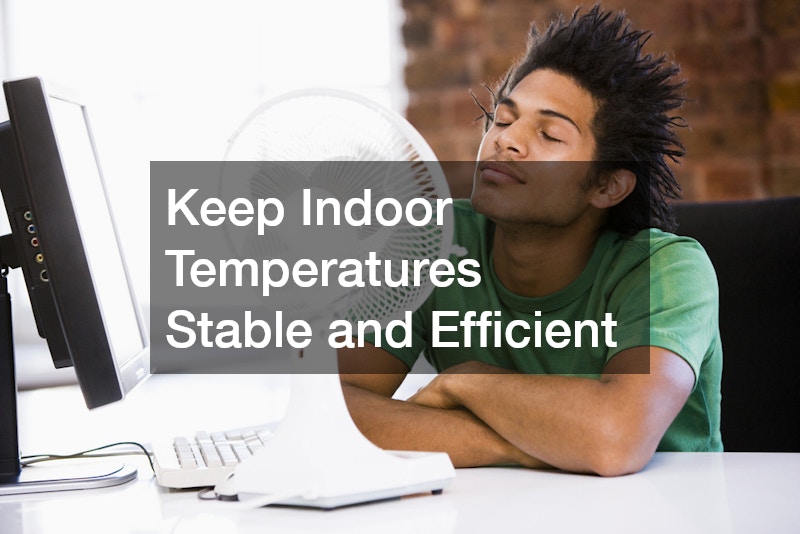
Cooling systems work hard during warm seasons. Performance declines gradually, so early action matters. What often begins as slightly reduced airflow or a minor temperature imbalance can quietly strain components for months before a full breakdown occurs. The key to maintaining comfort and efficiency is understanding how your cooling system operates and recognizing subtle performance changes before they escalate.
Central air systems rely on several interconnected parts: the compressor, evaporator coil, condenser coil, refrigerant lines, blower motor, and ductwork. If even one of these components struggles, the entire system compensates by working harder. That added strain increases energy consumption and accelerates wear.
Signs You May Need ac repair
Look for:
-
Warm air from vents
-
Weak airflow
-
Frequent cycling
-
Unusual odors
-
Excess indoor humidity
-
Increased utility bills
You may also notice hot and cold spots throughout the home. Uneven cooling often indicates duct leaks, blocked vents, or declining blower performance.
Common causes include:
-
Refrigerant leaks
-
Dirty evaporator coils
-
Blocked condenser units
-
Faulty capacitors
Low refrigerant levels not only reduce cooling power but can permanently damage the compressor if left unresolved. Electrical component failures, such as a failing capacitor, may cause the system to struggle when starting up or shut down unexpectedly.
Preventative Cooling Maintenance
Replace air filters every 1–3 months.
Clean debris around outdoor units.
Schedule annual professional tune-ups.
Seal duct leaks.
Install programmable thermostats.
In addition to these basics:
-
Keep supply and return vents unobstructed by furniture or curtains.
-
Check insulation around refrigerant lines.
-
Rinse condenser coils gently with a garden hose to remove dirt buildup.
-
Ensure attic insulation is adequate to reduce cooling strain.
Annual inspections allow technicians to test refrigerant pressure, check electrical connections, lubricate moving parts, and identify small issues early. Preventative maintenance is significantly less expensive than emergency ac repair during peak summer demand.
Delaying ac repair often leads to compressor damage—the most expensive component to replace. Once a compressor fails, replacement costs can approach the price of an entirely new system. Acting early preserves both comfort and long-term affordability.
Repair Outdoor Damage Promptly
Exterior damage affects both aesthetics and structural integrity. Weather exposure, moisture, and seasonal temperature shifts gradually weaken outdoor systems. Prompt attention prevents surface issues from becoming structural problems.
Address residential pool repair Needs Quickly
If you own a pool, watch for:
-
Cracked plaster or liner
-
Persistent water loss
-
Malfunctioning pumps
-
Loose tiles
-
Staining or cloudy water
Even small cracks in plaster can expand due to freeze-thaw cycles. Water loss that exceeds normal evaporation may signal underground plumbing leaks. Left unresolved, escaping water can erode supporting soil and create voids beneath the pool shell.
Leak detection is critical. Undetected pool leaks can erode soil and compromise nearby foundations.
Preventative care includes:
-
Maintaining proper chemical balance
-
Cleaning filters regularly
-
Inspecting pump seals
-
Monitoring water levels
You should also:
-
Check skimmer baskets weekly.
-
Inspect return lines for cracks.
-
Ensure pool decking slopes away to prevent standing water.
-
Winterize properly in cold climates.
Timely residential pool repair prevents structural shell damage and costly resurfacing. Addressing minor tile repairs or pump issues early can add years to the lifespan of your pool system.
Handle hail damage repair Immediately
After severe storms:
-
Inspect roofing and siding.
-
Check window seals.
-
Examine vehicle exteriors.
-
Look for dents, cracks, or exposed underlayment.
Hail impact can weaken shingles without immediately causing leaks. Over time, UV exposure accelerates deterioration in bruised areas. Similarly, small cracks in siding can allow moisture intrusion behind panels.
Document damage with photos before repairs. Prompt hail damage repair prevents water intrusion and mold growth.
Also:
-
Clear gutters of granule buildup.
-
Check flashing around vents and chimneys.
-
Inspect exterior HVAC units for fin damage.
Delays may complicate insurance claims and increase structural deterioration. Quick inspections following storms reduce long-term risk and preserve property value.
Maintain Vehicle Reliability Through Preventative Service
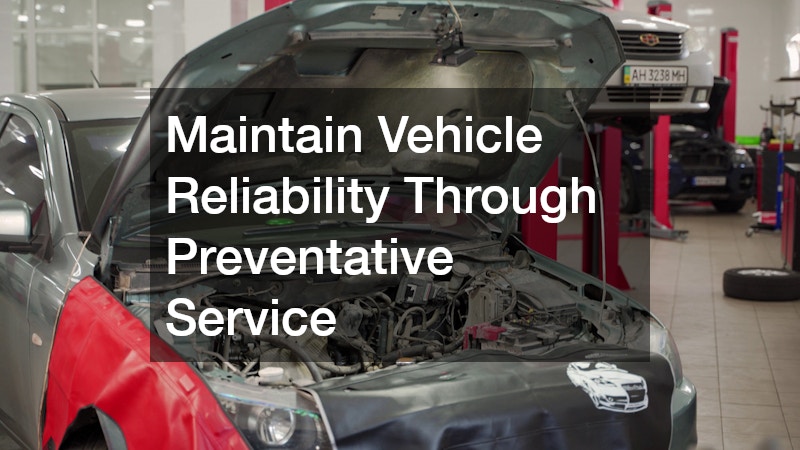
Your vehicle requires consistent care to remain safe and dependable. Unlike many home systems, vehicles experience constant vibration, friction, and temperature fluctuations. Proactive service dramatically reduces unexpected breakdowns.
Building an automotive repair Strategy
Routine service should include:
-
Oil and filter changes
-
Brake inspections
-
Battery testing
-
Tire rotation and balancing
-
Coolant system checks
-
Belt and hose inspections
Oil lubricates engine components and prevents overheating. Delayed oil changes accelerate internal wear. Brake inspections ensure pads and rotors remain within safe limits. Ignoring worn brakes increases stopping distance and damages more expensive components.
In addition:
-
Replace air filters regularly.
-
Check transmission and power steering fluid levels.
-
Inspect suspension components annually.
-
Maintain proper tire inflation.
Ignoring maintenance accelerates wear and increases long-term automotive repair costs. A neglected cooling system, for example, can lead to overheating and warped engine components—repairs that far exceed routine service expenses.
Recognize Early Warning Signs
-
Check engine light
-
Vibrations while driving
-
Decreased fuel efficiency
-
Fluid leaks
-
Grinding noises when braking
-
Difficulty starting
Even subtle changes in performance deserve attention. Vibrations may indicate tire imbalance or suspension wear. Fuel efficiency drops often signal clogged filters or failing sensors.
Addressing minor automotive repair issues early prevents cascading mechanical failures. Timely diagnostics reduce repair complexity and protect overall vehicle lifespan.
Protect Your Drivetrain From Catastrophic Failure
The transmission is one of the most expensive vehicle systems to replace. It transfers engine power to the wheels and manages gear changes under varying speeds and loads.
Signs You May Need transmission repair
Be alert for:
-
Slipping gears
-
Delayed engagement
-
Rough shifting
-
Burning smell
-
Dark or burnt transmission fluid
-
Fluid leaks under vehicle
Transmission fluid should be bright red and relatively clear. Dark, gritty, or burnt-smelling fluid signals internal wear or overheating.
Minor slipping during acceleration may feel insignificant at first, but it often indicates declining clutch packs or fluid pressure issues. Early transmission repair can resolve these concerns before internal components sustain severe damage.
Extend Transmission Lifespan
-
Replace transmission fluid as recommended.
-
Avoid aggressive acceleration.
-
Ensure cooling systems function properly.
-
Address minor leaks immediately.
-
Do not ignore warning lights.
Towing heavy loads or driving in stop-and-go traffic increases heat buildup. Installing auxiliary transmission coolers in high-demand vehicles may extend lifespan.
Early transmission repair can often resolve issues before full rebuild becomes necessary. Acting at the first sign of trouble significantly reduces financial impact.
Build a Repair Budget and Emergency Plan
Repairs are inevitable. Financial preparation reduces stress and improves decision-making. Without a plan, even manageable repairs can feel overwhelming.
Establish Dedicated Funds
Consider:
-
Saving 1–3% of home value annually.
-
Setting aside monthly vehicle maintenance funds.
-
Maintaining an emergency reserve for unexpected breakdowns.
Separate maintenance savings from general savings. This prevents hesitation when repairs arise and allows you to act promptly.
Prioritize Repairs Strategically
Address in order:
-
Safety hazards
-
Structural issues
-
Water intrusion
-
Mechanical drivetrain problems
-
Efficiency improvements
-
Cosmetic concerns
This hierarchy ensures critical systems remain protected before aesthetic upgrades are pursued.
Build Relationships With Professionals
Research and maintain contact with:
-
Licensed plumbers
-
HVAC technicians
-
Structural specialists
-
Certified mechanics
Establishing relationships before emergencies ensures quicker service and often more transparent pricing.
Review Insurance Coverage
Ensure policies cover:
-
Storm damage
-
Water damage
-
Sewer backups
-
Hail impacts
-
Mechanical breakdown riders (if available)
Preparedness minimizes panic when repairs arise. Knowing what your policy covers—and your deductible amounts—helps you respond confidently.
Conclusion
Successful ownership of both a home and a vehicle depends on awareness, consistency, and preparation. Most major breakdowns begin as minor warning signs. When you develop inspection habits, follow preventative maintenance schedules, and address repairs promptly, you dramatically reduce long-term costs and stress.
By taking a proactive approach—rather than waiting for failure—you extend the lifespan of critical systems, protect your financial stability, and maintain a safer, more comfortable living environment. Repairs are unavoidable, but emergencies are often preventable. With the right knowledge and consistent action, you can manage both property and vehicle maintenance with confidence and control for years to come.