

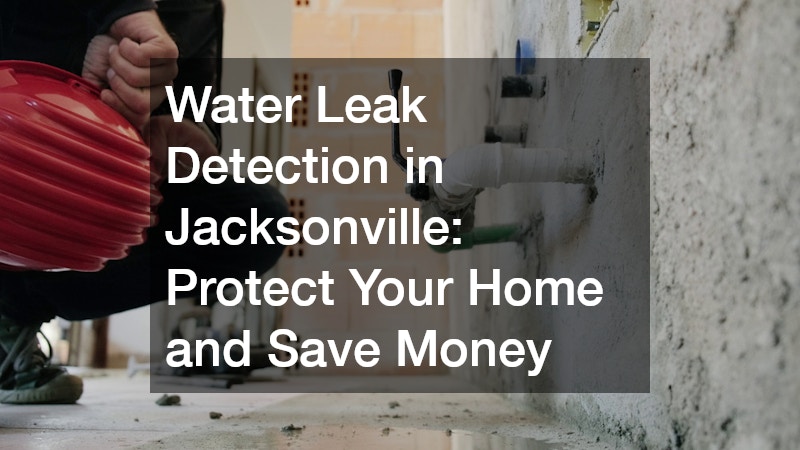
Water leak detection in Jacksonville is an important service for homeowners who want to protect their property from costly and often hidden damage. Leaks do not always show up as obvious puddles or dripping pipes. In many cases, water slowly escapes behind walls, under floors, or beneath foundations. When left undetected, these leaks can cause serious structural damage, mold growth, and higher utility bills. Understanding how leak detection works and why it matters can help you act before a small issue becomes a major problem.
Why Water Leaks Are Common in Jacksonville
Jacksonville’s warm climate, frequent rain, and aging plumbing systems make water leaks a common issue for homes. Changes in temperature can cause pipes to expand and contract, leading to cracks or loose joints. Heavy rainfall can also increase pressure on plumbing and underground lines, making leaks more likely.
Aging Pipes and Plumbing Systems
Many homes have older plumbing materials that wear down over time. Corrosion, mineral buildup, and general wear can weaken pipes, increasing the chance of leaks. Even newer homes can experience leaks due to installation issues or faulty components.
Weather and Soil Conditions
Jacksonville’s soil conditions can shift after heavy rain, putting stress on underground pipes. This movement can cause small cracks that allow water to escape slowly. These types of leaks are especially hard to notice without professional detection.
Signs You May Have a Hidden Water Leak
Not all leaks are easy to spot. In fact, some of the most damaging leaks are completely hidden from view.
Unexplained Increases in Water Bills
A sudden spike in your water bill without increased usage is often one of the first signs of a hidden leak. Even a small leak can waste hundreds of gallons of water over time.
Damp Spots and Stains
Water stains on walls, ceilings, or floors may indicate a leak behind the surface. Paint bubbling, peeling wallpaper, or warped flooring are also warning signs that moisture is present where it should not be.
Moldy or Musty Odors
Persistent musty smells can be a sign of water trapped behind walls or under floors. Mold thrives in damp environments and often grows long before leaks are visible.
What Is Water Leak Detection
Water leak detection is the process of finding leaks without causing unnecessary damage to your home. Modern techniques allow professionals to locate leaks accurately without tearing into walls or floors.
Non Invasive Detection Methods
Advanced tools such as acoustic listening devices, thermal imaging, and moisture sensors help pinpoint the source of a leak. These methods detect changes in temperature, sound, or moisture levels that indicate escaping water.
Locating Leaks Underground
Underground leaks can be especially challenging. Specialized equipment helps detect pressure changes and sound vibrations in buried pipes. Finding these leaks early can prevent foundation damage and soil erosion.
Why Early Leak Detection Matters
Catching leaks early can save homeowners time, money, and stress.
Preventing Structural Damage
Water can weaken wood, concrete, and drywall over time. A small leak can eventually compromise walls, floors, and even the foundation of a home. Early detection helps stop damage before it spreads.
Avoiding Mold and Health Issues
Moisture from leaks creates ideal conditions for mold growth. Mold can impact indoor air quality and trigger allergies or breathing problems. Detecting and repairing leaks early reduces these risks.
Saving Money on Repairs
Fixing a small leak is far less expensive than repairing extensive water damage. Early detection can also help lower water bills by stopping wasted water.
DIY Leak Checks vs Professional Detection
Some homeowners try to find leaks on their own. While basic checks can help identify obvious issues, hidden leaks often require professional expertise.
Simple Checks You Can Do
Homeowners can watch their water meter, listen for running water when fixtures are off, and check visible pipes for moisture. These steps may help confirm that a leak exists but rarely pinpoint the exact location.
Limitations of DIY Methods
Without specialized tools, it is difficult to find leaks behind walls or underground. Guesswork can lead to unnecessary damage or missed problems that continue to worsen over time.
Benefits of Professional Leak Detection
Professionals use precise equipment to locate leaks quickly and accurately. This reduces the need for invasive repairs and ensures the real source of the problem is addressed.
Common Areas Where Leaks Occur
Knowing where leaks commonly happen can help homeowners stay alert.
Bathrooms and Kitchens
Pipes behind sinks, toilets, and showers are frequent sources of leaks. These areas are used daily, increasing wear on connections and seals.
Slab and Foundation Leaks
Leaks beneath the foundation are harder to detect and often more serious. Signs may include warm spots on floors, cracks, or unexplained moisture indoors.
Outdoor and Irrigation Systems
Sprinkler systems and outdoor pipes can leak without being noticed, especially if the water drains into the soil. Regular inspection is important to catch these issues early.
Protecting Your Home from Future Leaks
While not all leaks can be prevented, there are steps homeowners can take to reduce risk.
Regular Maintenance
Schedule routine plumbing inspections and address small issues quickly. Replacing worn hoses, valves, and fittings can prevent future leaks.
Monitoring Water Usage
Pay attention to your water bills and usage patterns. Sudden changes often signal a problem that should be investigated right away.
Final Thoughts on Water Leak Detection
Water leak detection in Jacksonville plays a key role in protecting homes from hidden water damage. Leaks can start small but quickly lead to serious and expensive problems if ignored. By recognizing the warning signs and understanding the value of professional detection, homeowners can take action early. Staying proactive not only saves money but also helps maintain a safe, healthy, and comfortable home for years to come.