This article will guide you through what to expect when attending beauty school, including the curriculum, hands-on training, and career opportunities.
1. What Will I Learn in Beauty School?
When you first enroll in beauty school, expect to dive into a diverse curriculum covering essential beauty principles. Courses often start with basic anatomy of the human body, which informs the approach to skin care and makeup application.
Emphasis is placed on learning foundational hair styling techniques, from cutting and coloring to advanced styling methods. Beauty schools also prioritize sanitation practices, ensuring students understand the importance of maintaining a hygienic work environment. As you progress, you’ll explore more specialized topics like acupuncture for beauty, massage, and nail technology.
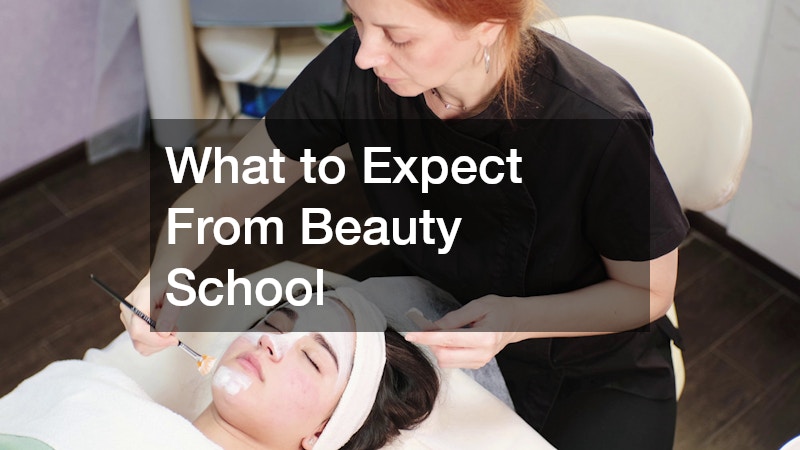
In addition to theoretical knowledge, beauty schools offer extensive hands-on training, allowing students to apply what they’ve learned in realistic settings. This experiential learning is crucial for mastering techniques in makeup artistry, hairstyling, and skincare treatments. Students practice on mannequins and real clients, giving them confidence in their skills. Schools also may provide opportunities to participate in beauty competitions or fashion shows, which can enhance a student’s portfolio. The exposure to real-world experiences equips graduates to meet industry expectations effectively.
Another significant component of the curriculum is developing interpersonal skills necessary for client interactions and consultations. Beauty school students are trained to perform client consultations to identify and recommend the best treatments that cater to individual client needs. Communication is key in building and maintaining a loyal customer base, and these skills are often honed through role-play exercises and feedback sessions. Business courses might also be included, teaching future beauty professionals how to manage finances, marketing, and operations if they choose to open their own salon. All these experiences combine to develop a well-rounded professional ready to enter the vibrant beauty industry.
2. How Long Does Beauty School Take?
The duration of beauty school can vary widely based on program type and state requirements. Full-time programs typically range from 9 months to 12 months, allowing students to immerse themselves completely. Part-time tracks are also available, stretching to 18 months or longer, ideal for those balancing work or family commitments. Each program is designed to meet a state-specific number of hours, which dictates the timeline for completion. Factors such as school closures, additional certifications, or personalized specializations can further extend the duration of training.
Accelerated programs might be an option for students who wish to complete their education more swiftly. These intensive courses compress the same amount of learning into a shorter timeframe, requiring strong dedication and time management skills from students. By contrast, part-time students will have more flexible schedules but need to be mindful of staying engaged with ongoing studies over longer periods. Some beauty schools offer summer programs too, permitting a more rapid path through the curriculum if goals align. Ultimately, it’s essential to choose the program that best fits personal scheduling needs and career aspirations.
It’s crucial to consider the commitment required before enrolling, as beauty school demands a consistent and dedicated approach. Attendance and participation in all classes are necessary to fulfill program requirements and be eligible for state certifications or licensing exams. Many schools offer support services to help manage life and study commitments, such as academic counseling or peer groups. Regardless of the chosen track, completing beauty school is a rewarding journey that promises to deliver both challenges and immense personal growth. A well-considered approach to planning and time management will see students successfully through to graduation.
3. What Are the Costs Associated With Beauty School?
Understanding the financial aspects of attending beauty school is essential for all prospective students. Tuition costs can vary significantly depending on the institution, program length, and included materials. On average, tuition fees can range anywhere from $5,000 to $15,000. Additional costs include textbooks, beauty kits, uniforms, and other necessary supplies that may not be covered by tuition. It’s important to create a budget that factors in these expenses to avoid unexpected financial challenges.
Many beauty schools offer financial aid options similar to those available for traditional college degrees, such as scholarships, grants, and student loans. Students should consult with school financial offices to explore available options and see if they qualify for assistance. Federal aid is an option for some programs, while others might offer discounts or payment plans for those who pay upfront or in installments. Thorough research and discussions with financial advisors can open up opportunities to make education more affordable. Additionally, some salons offer work-study opportunities, providing practical experience as well as financial benefits.
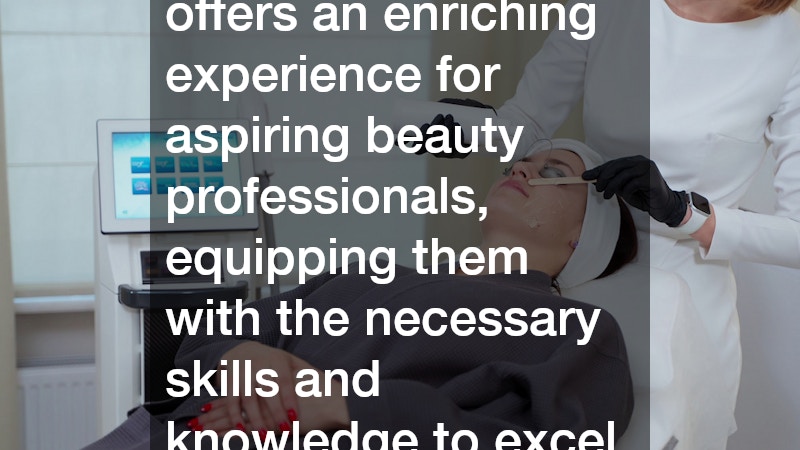
Beauty school offers an enriching experience for aspiring beauty professionals, equipping them with the necessary skills and knowledge to excel in the industry. The curriculum is designed to provide a comprehensive understanding of beauty practices, backed by significant hands-on training and real-world experience. Graduates are not only skilled artisans but also adept in client relations and business operations, preparing them to thrive in various roles. Understanding the time and financial commitments beforehand can help prospective students make informed decisions, ensuring their study journey is both successful and fulfilling. As the beauty industry continues to innovate and grow, those who choose this path will find boundless opportunities to shine.