Modern workplaces rely heavily on technology to stay connected, productive, and competitive. Whether teams are working in the same office or across different locations, the tools they use and the support they receive can significantly impact how effectively they collaborate. When systems run smoothly, communication flows more easily, tasks are completed faster, and employees can focus on meaningful work rather than technical issues.
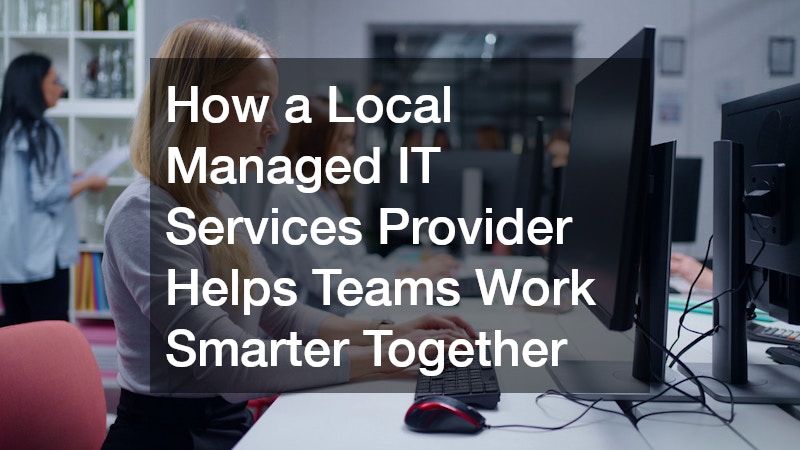
In many organizations, a locally managed IT services provider plays a key role in ensuring that technology supports rather than slows down daily operations. By offering ongoing technical support, system maintenance, and strategic guidance, these providers help teams stay aligned and efficient.
Understanding how this support influences teamwork can highlight why IT management is more than just a technical function—it is a core part of workplace collaboration.
Improving Communication Across Teams
Clear and reliable communication is essential for any team to function effectively. When communication tools such as email systems, messaging platforms, or video conferencing software experience disruptions, productivity can quickly decline. Miscommunication or delays in information sharing can also lead to confusion and missed deadlines.
A well-structured IT support system ensures that these tools remain operational and accessible. A local managed IT services provider helps maintain communication platforms, resolve technical issues quickly, and ensure that employees can stay connected without interruption. This consistent support allows teams to communicate in real time, share updates efficiently, and collaborate on projects without unnecessary delays.
When communication flows smoothly, employees are more likely to stay aligned with goals and work together effectively, regardless of their physical location.
Enhancing Collaboration Tools and Systems
Collaboration in the workplace has evolved significantly with the rise of cloud-based platforms, project management software, and shared digital workspaces. These tools allow teams to work on documents simultaneously, track progress, and manage tasks more efficiently. However, without proper setup and maintenance, these systems can become unreliable or difficult to use.
Technical support plays a crucial role in optimizing these tools for everyday use. A local managed IT services provider ensures that collaboration platforms are properly configured, regularly updated, and tailored to the needs of the organization. This reduces downtime and improves the overall user experience for employees.
By maintaining these systems, businesses can ensure that team members have access to the resources they need to collaborate effectively, whether they are working in-office or remotely.
Reducing Downtime and Technical Disruptions
Few things disrupt teamwork more than unexpected technical issues. System crashes, network failures, and software malfunctions can bring work to a halt and create frustration among employees. Even minor disruptions can add up over time, leading to reduced productivity and missed opportunities.
Having reliable IT support helps minimize these risks. A local managed IT services provider monitors systems proactively, identifies potential issues before they escalate, and provides quick resolutions when problems arise. This proactive approach reduces downtime and ensures that employees can continue working without extended interruptions.
When technical issues are resolved quickly, teams can maintain momentum and focus on their tasks instead of dealing with ongoing disruptions.
Supporting Remote and Hybrid Work Environments
The modern workplace is no longer limited to a single physical location. Many businesses now operate with remote or hybrid work models, allowing employees to work from different locations while staying connected to the same systems and goals. While this flexibility offers many benefits, it also introduces new challenges in terms of connectivity, security, and coordination.
Reliable IT infrastructure is essential for supporting distributed teams. A local managed IT services provider helps ensure that remote employees can access company systems securely and efficiently. This includes setting up secure connections, maintaining cloud services, and providing support for remote troubleshooting.
With the right systems in place, teams can collaborate effectively regardless of location, ensuring that distance does not become a barrier to productivity.
Strengthening Cybersecurity and Data Protection
As teams rely more heavily on digital tools, the importance of cybersecurity continues to grow. Sensitive business information, client data, and internal communications must be protected from potential threats. A security breach can disrupt operations, damage trust, and result in significant financial losses.
Effective IT management includes implementing strong security measures such as firewalls, encryption, and access controls. A local managed IT services provider plays a critical role in maintaining these protections and ensuring that systems are regularly updated to address emerging threats.
By safeguarding digital environments, businesses can create a secure foundation that allows teams to collaborate with confidence and without unnecessary risk.
Enabling Scalable Growth and Adaptability
As businesses grow, their technology needs become more complex. New employees, expanding operations, and increased data demands all require scalable IT systems. Without proper planning, growth can lead to inefficiencies and system overloads.
A structured IT strategy ensures that technology evolves alongside the business. A local managed IT services provider helps organizations scale their systems effectively, ensuring that infrastructure can support increased demand without compromising performance.
This adaptability allows teams to continue working efficiently even as the organization expands, ensuring long-term stability and productivity.
Effective teamwork depends on more than just skilled employees; it also requires reliable systems, strong communication tools, and consistent technical support. When technology functions smoothly, teams can focus on collaboration, creativity, and achieving shared goals without unnecessary interruptions.
By maintaining secure systems, supporting communication platforms, and improving workflow efficiency, IT support becomes an essential part of modern workplace culture. Businesses that invest in structured technology support create environments where employees can work smarter, not harder.
Ultimately, the right IT foundation helps teams stay connected, productive, and adaptable in an increasingly digital world.