
Many adults view oral healthcare through a strictly reactive lens. They schedule an appointment only when severe pain strikes, when a visible problem emerges, or when a broken tooth interferes with daily life. However, waiting for symptoms to demand attention is one of the most expensive and risky strategies a patient can adopt. Oral health issues rarely resolve on their own. Instead, minor bacterial infections, subtle structural vulnerabilities, and soft tissue changes quietly compound over months and years, transforming manageable concerns into complex medical emergencies. Embracing consistent general dentistry acts as a crucial shield, protecting both physical health and personal finances from avoidable strain.
When individuals prioritize routine checkups, they invest in proactive measures designed to catch subtle changes long before they trigger discomfort. A small cavity detected early requires a quick, straightforward restoration. Left unnoticed, that same cavity can bore deep into the tooth structure, infecting the inner nerve pulp and demanding intensive root canal therapy or complete extraction. Modern preventive care is designed specifically to intercept these destructive cycles before they cause permanent anatomical damage. By establishing a reliable routine with local dental care providers, patients build a comprehensive record of their oral baseline. This enables clinicians to track gradual shifts in bone density, enamel wear, gum attachment, and soft tissue condition over extended periods.
Beyond the immediate financial benefits, proactive care preserves natural anatomical structures, oral alignment, and overall facial balance. Every natural tooth serves a distinct purpose in maintaining jaw alignment, supporting facial architecture, and enabling proper nutrition through effective chewing. Losing even a single tooth initiates a domino effect of shifting bite mechanics, localized bone loss, and increased mechanical strain on adjacent natural teeth. Preventive appointments safeguard these foundational assets, ensuring that patients maintain full functionality throughout their lives while avoiding the escalating costs of major restorative treatments.
How Microscopic Issues Escalate into Complex Crises
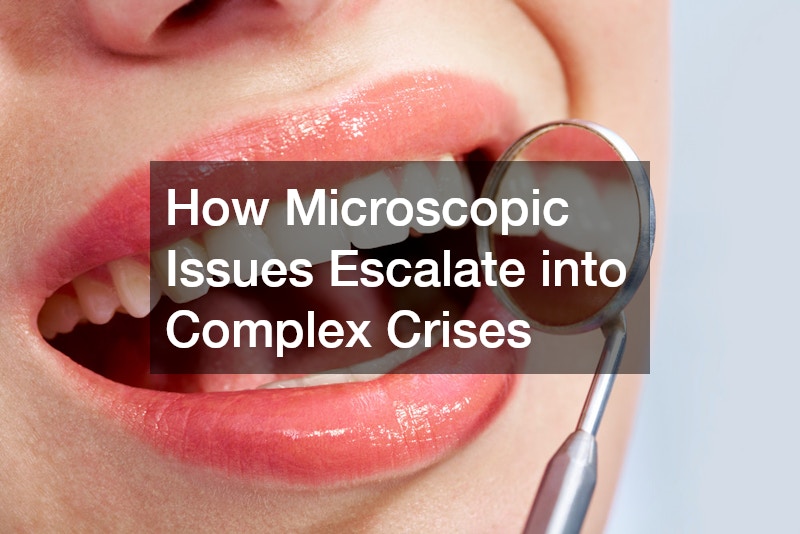
The microscopic environment inside the human mouth is constantly changing and reacting to daily habits, oral hygiene techniques, and dietary choices. Hundreds of species of bacteria inhabit plaque, a sticky biological film that continuously forms on enamel surfaces throughout the day. When food particles, particularly sugars and refined carbohydrates, combine with this plaque, acid is produced as a metabolic byproduct. This acid slowly dissolves the mineral structure of enamel in a process known as demineralization. In its earliest phases, demineralization is completely reversible through mineral exposure, fluoride application, and professional evaluation. However, once acid breaks through the enamel layer into the softer dentin underneath, decay accelerates rapidly toward the nerve chamber.
This silent progression highlights why regular professional evaluations are non-negotiable for long-term oral health. A qualified dentist utilizes advanced diagnostic tools, including digital radiography and intraoral imaging, to spot hidden decay occurring between tightly spaced teeth or beneath older dental work. These diagnostic instruments reveal structural vulnerabilities long before nerves send pain signals to the brain. By the time a patient actually feels a toothache, the damage has usually breached the deeper layers of the tooth, requiring far more invasive treatment than a simple filling.
Additionally, bacterial activity is not confined strictly to hard enamel surfaces; soft tissue pathways are equally vulnerable to chronic bacterial exposure. Gingivitis, the initial stage of gum disease, begins quietly as bacterial plaque builds along the gumline and releases irritating toxins. Initial symptoms might include mild redness, minor swelling, or occasional bleeding during brushing, which many individuals unfortunately dismiss as harmless. Without intervention, gingivitis advances to periodontitis, a severe infection that destroys the underlying ligament fibers and supportive bone anchoring teeth into the jaw. As periodontitis strips away these foundational structures, teeth become loose and unstable, leading to irreversible loss. Regular monitoring stops this inflammatory process in its tracks, protecting structural integrity before bone deterioration sets in.
Stopping Decay and Enamel Damage Before Rebuilding Is Required
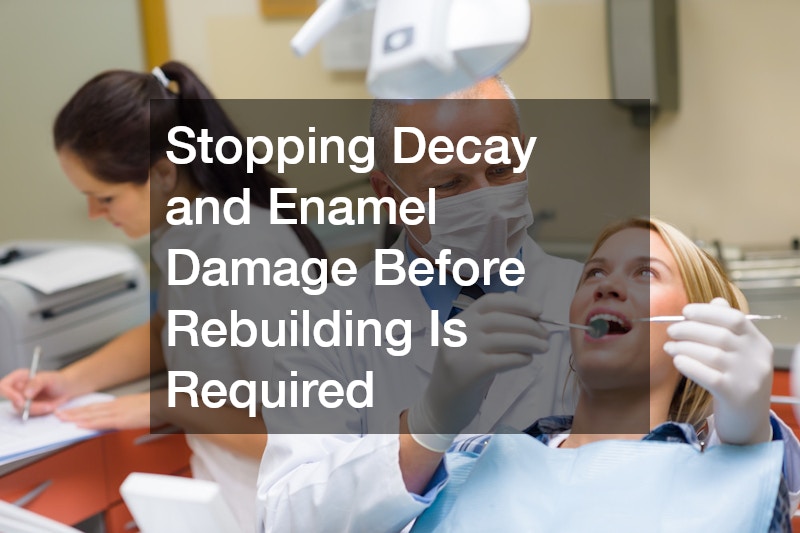
Even the most meticulous home hygiene routine cannot remove all accumulated buildup across every surface. Over time, soft plaque that escapes bristles and floss mineralizes into tartar, or calculus. Tartar is a hardened deposit that bonds tightly to enamel and root surfaces. It cannot be brushed away at home, regardless of how vigorously a person scrubs. In fact, aggressive brushing often does more harm than good, wearing down protective enamel and irritating sensitive gum tissues. Only specialized sonic instruments and hand scalers can safely dislodge tartar without damaging surrounding tissues.
Scheduling a periodic tooth cleaning service removes these hardened deposits from difficult-to-reach areas, such as deep periodontal pockets and behind molars. During this process, trained professionals remove bacteria-laden calculus, smooth out root surfaces to discourage future buildup, and polish enamel surfaces. This thorough cleaning drastically reduces bacterial loads, relieving pressure on the immune system and stopping localized tissue inflammation. Removing tartar before it triggers tissue destruction remains the single most effective way to preserve healthy gums and prevent long-term attachment loss.
When decay is overlooked for extended periods, the structural integrity of the tooth becomes severely compromised and structurally weakened. Extensive structural damage often leaves too little healthy enamel to support a standard filling or simple composite repair without risking complete fracture under normal chewing pressure. In such advanced cases, the patient may require a custom teeth crown to encase and protect the remaining natural core. While modern crown fabrications are highly durable and aesthetically pleasing, crafting and fitting a full-coverage restoration involves significantly higher costs, longer appointment times, and greater removal of original tooth structure compared to early preventive care. Investing in regular hygienic maintenance keeps natural tooth structures sound, drastically reducing the probability of needing extensive crown work over a lifetime.
Avoiding the Severe Costs of Tooth Loss and Structural Damage
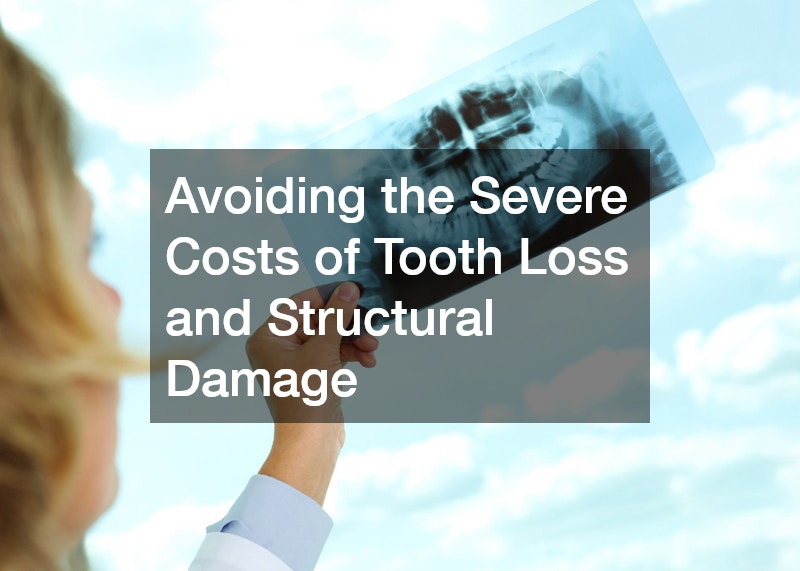
When prevention fails and a natural tooth must be extracted due to severe decay, fracture, or advanced periodontal disease, the oral ecosystem undergoes dramatic changes. Teeth do not exist as isolated units; they depend on neighbor relationships and opposing teeth to maintain structural balance across the entire arch. Once a gap opens, surrounding teeth begin to drift and tilt into the vacant space. This movement disrupts bite alignment, creates difficult-to-clean traps for bacteria, and puts abnormal stress on the jaw joints. Additionally, the jawbone underlying the missing tooth begins to resorb, losing volume and density because it no longer receives stimulating stimulation from chewing forces.
Replacing missing teeth is essential to preserve oral function and facial structure, but restorative options require significant financial investments. For patients seeking a permanent structural replacement that preserves bone density, an affordable dental implant offers an exceptional long-term solution. Implants function as artificial tooth roots, integrating directly with the jawbone to support realistic porcelain crowns. However, placing an implant involves surgical procedures, precision hardware, and multi-month healing phases. If significant bone loss has already occurred due to delay, additional preparatory procedures like bone grafting or sinus lifts become mandatory, further increasing overall care expenses and treatment timelines.
Alternatively, when multiple teeth are missing across an arch, patients often rely on removable dentures to restore basic chewing ability, facial support, and aesthetic appearance. While modern removable prosthetics have improved significantly in terms of daily comfort and aesthetic natural appearance, they still require ongoing maintenance, periodic relining, and eventual replacement as the underlying jawbone continues to reshape over time. Both options highlight a fundamental reality: replacing lost tooth structure is vastly more complex and costly than preserving natural teeth through early routine care. Prioritizing preventive visits eliminates the conditions that lead to extractions in the first place.
Protecting Bite Alignment and Enamel Through Structural Balance
The position of teeth within the mouth plays a critical role in long-term oral health that extends far beyond visual appearance. Misaligned, crowded, or overlapping teeth create tight physical crevices where food particles and sticky plaque assemble. These areas prove nearly impossible to clean thoroughly with standard floss or toothbrushes, making them prime spots for hidden cavities and targeted gum inflammation. Furthermore, an uneven bite distributes chewing forces unequally across the arch. Certain teeth absorb excessive structural pressure, leading to premature enamel wear, unexpected chipping, cracked roots, and painful temporomandibular joint issues that affect daily speech and eating.
Addressing structural misalignments early prevents these cumulative structural problems and preserves long-term jaw health. Modern orthodontic technology offers discrete options for realigning teeth without traditional metal brackets and wires. Patients exploring professional invisalign services benefit from custom-designed clear aligners that gradually guide teeth into optimal positioning. Correcting crowded or misaligned arches creates smooth, easily accessible surfaces for daily brushing and flossing. When teeth sit in proper harmony, biting forces are distributed evenly across the entire arch, preventing concentrated mechanical stress that causes enamel fracture and jaw joint strain. This balanced alignment significantly reduces long-term physical wear on enamel.
By correcting malocclusion before severe wear occurs, patients safeguard their natural teeth against mechanical breakdown. Fixing spacing problems also reduces long-term risks of localized periodontal disease by eliminating bacteria traps. What appears on the surface as an aesthetic adjustment actually serves as a vital preventive shield for lifelong oral stability. Investing in proper alignment preserves natural tooth structures, simplifies daily hygiene, and protects against the costly restorative treatments required to fix cracked, heavily worn, or fractured teeth down the road.
Managing Aesthetic Enhancements versus Major Oral Reconstruction
A healthy, vibrant smile contributes immensely to personal confidence, professional interactions, and daily social relationships. However, a clear distinction exists between elective visual enhancements and emergency structural reconstruction. Many individuals seek out professional cosmetic dental care to refine their visual appearance, whether through professional whitening treatments, minor bonding, or surface enamel smoothing. These surface enhancements yield optimal, predictable results only when applied to a firm foundation of sound, disease-free teeth and healthy gum tissue. Attempting aesthetic treatments on compromised teeth often leads to disappointing outcomes, unexpected sensitivity, and hidden structural failures that require complex fixes.
When preventive care is neglected for years, functional and visual deterioration often requires a comprehensive smile makeover involving extensive multi-stage procedures. Full-mouth rehabilitation may combine root canal therapy, multiple full crowns, surgical tissue reshaping, and prosthetic replacements to rebuild damaged arches. While these comprehensive transformational plans can completely restore function and confidence to severely damaged mouths, they represent significant financial, physical, and time investments. Rebuilding an entire bite from the ground up demands detailed clinical planning, temporary restorations, and multiple long clinical visits over several months.
Maintaining routine preventive appointments prevents the cascading structural failure that makes major reconstruction necessary. Small aesthetic concerns remain minor when natural teeth stay healthy, clean, and structurally sound. By keeping natural enamel intact and managing subtle discoloration or minor chips through routine care, patients avoid the massive expense and clinical complexity of full-mouth rebuilds. Prevention allows individuals to maintain a brilliant, healthy appearance through simple, minimal upkeep rather than extensive restorative interventions.
Establishing a Sustainable Long-Term Strategy for Oral Health
Building a sustainable approach to oral wellness relies on consistency, education, and early professional collaboration. Oral health is deeply connected to overall systemic health; conditions like diabetes, cardiovascular disease, and systemic inflammation frequently interact with oral infections. Maintaining a consistent relationship with a trusted dentist creates a protective buffer against both local oral issues and broader health complications. Regular professional oversight provides tailored guidance on home care techniques, nutritional impacts, and custom protective equipment like nightguards for teeth grinding, which prevents silent wear during sleep.
Furthermore, routine visits remove the anxiety and uncertainty often associated with emergency clinical treatments. When patients commit to consistent general dentistry checkups, appointments remain brief, comfortable, and predictable. Dental professionals can monitor subtle changes, offer customized home hygiene strategies, and apply preventive treatments like fluoride varnishes or dental sealants to vulnerable surfaces. This proactive model replaces reactive emergency interventions with calm, controlled maintenance visits that fit seamlessly into a busy schedule, ensuring peace of mind for years to come.
Ultimately, the economic and health arguments for preventive dental care are overwhelming and clear to see. Paying for periodic maintenance visits, professional cleanings, routine evaluations, and early diagnostic imaging costs a tiny fraction of what full structural rebuilds, surgical procedures, or prosthetic replacements demand over time. By prioritizing regular visits, individuals take full control of their oral health trajectory, protect their financial well-being, and preserve their natural teeth for a lifetime of confident, comfortable functional use. Investing in prevention today guarantees a healthier, happier, and more vibrant tomorrow.