
Key takeaways
- The easiest kitchen floors resist water and stains, have few seams or grout lines, and hold up to heavy family traffic.
- Luxury vinyl plank or tile is waterproof, affordable, and simple to mop. Choose a wear layer of at least 12 mil for family kitchens.
- Porcelain tile is very durable. Large tiles and stain-resistant or darker grout make it much easier to clean.
- Sheet vinyl, water-resistant laminate, and sealed concrete are smart choices for low-maintenance cleanup on many budgets.
- Hardwood can work in a kitchen, but it needs more care. Hard species, engineered wood, and matte textured finishes help.
- Mid-tone colors with natural variation hide crumbs and pet hair best, and matte surfaces reduce slips.
- Sweep daily, mop weekly with the right cleaner, and protect floors with doormats, washable rugs, and felt pads.
In a busy household, the kitchen floor takes a beating. Spilled juice, muddy shoes, dropped spaghetti, pet water bowls, and crumbs from after-school snacks all end up underfoot, often in the same afternoon. If your floor is hard to clean or stains easily, it can feel like you’re always scrubbing and never caught up.
The right flooring can change that. Some materials shrug off spills, hide everyday dirt, and need little more than a quick sweep and mop to look good. Others look beautiful in a showroom but demand constant care once real life happens.
In this guide, you’ll learn which kitchen floors are easiest to keep clean, what each option costs, and the pros and cons for families with kids and pets. You’ll also find simple tips for picking colors that hide messes and a cleaning routine that keeps any floor looking its best.
1. What Makes a Kitchen Floor Easy to Clean?
Before comparing materials, it helps to know what to look for. An easy-to-clean kitchen floor is water-resistant or waterproof, so spills don’t soak in or cause swelling. It also resists stains from things like coffee, wine, grease, and tomato sauce. A smooth surface with few seams or grout lines gives dirt fewer places to hide.
Durability matters just as much. Busy kitchens see heavy foot traffic, dropped pots, sliding chairs, and pet claws. A floor that scratches or dents easily will look worn quickly, no matter how often you clean it. Comfort underfoot and slip resistance are also important, especially if you have young kids or older family members.
If you’re figuring out how to choose flooring for a home remodel, write down your must-haves first. Think about your budget, who uses the kitchen, whether you have pets, and how much cleaning time you have each week. Then compare each option against that list instead of choosing on looks alone.
- Look for floors that are water-resistant and stain-resistant.
- Choose surfaces with fewer seams and grout lines.
- List your family’s needs and budget before you shop.
2. Luxury Vinyl Plank and Tile
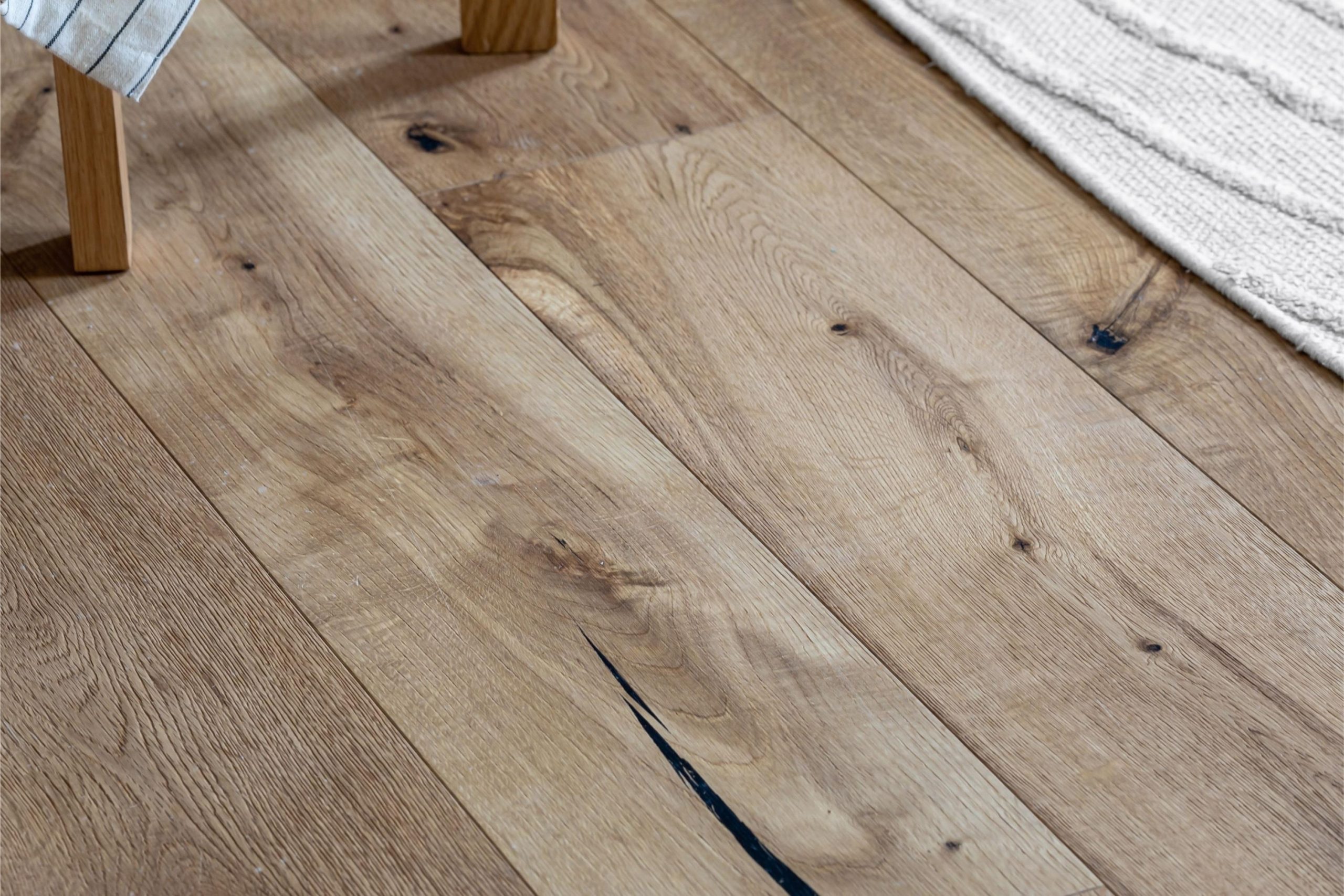
Luxury vinyl plank (LVP) and luxury vinyl tile (LVT) are top picks for busy families, and for good reason. Most are 100 percent waterproof, so spilled milk or a leaking dishwasher won’t ruin them. They come in realistic wood and stone looks, and a protective top layer, called the wear layer, helps resist scratches and stains.
Cleaning is simple. Sweep or vacuum to remove grit, then damp-mop with a mild cleaner made for vinyl. Vinyl is also softer and warmer underfoot than tile, which is easier on your feet when you’re cooking and kinder to dropped dishes. Many products click together, making it a popular choice for DIYers.
When shopping, check the wear layer thickness. For family kitchens, aim for at least 12 mil, or 20 mil if you have big dogs or very heavy traffic. Materials usually cost about $2 to $7 per square foot. Keep in mind that heavy furniture can dent vinyl, and very cheap products may fade in strong sunlight.
- LVP and LVT are waterproof, affordable, and easy to mop.
- Choose a wear layer of at least 12 mil for family kitchens.
- Use furniture pads to prevent dents from heavy items.
3. Porcelain and Ceramic Tile
Porcelain and ceramic tile are some of the toughest kitchen floors you can buy. They’re waterproof, very hard to scratch, and nearly impossible to stain when glazed. Porcelain is denser and more durable than standard ceramic, which makes it a great choice for high-traffic family kitchens. With good care, a tile floor can last 50 years or more.
The main cleaning challenge with tile is the grout, the material that fills the gaps between tiles. Grout is porous and can soak up dirt and spills. To make life easier, choose large-format tiles, such as 12 by 24 inches, which mean fewer grout lines. Ask your installer about stain-resistant epoxy grout, or seal regular cement grout once a year. A medium gray or tan grout color hides dirt much better than white.
Tile is hard and cold underfoot, and dropped glasses usually break. A few cushioned mats near the sink and stove can help. Materials typically cost about $3 to $10 per square foot, and professional installation is usually recommended.
- Porcelain tile is waterproof, scratch-resistant, and long-lasting.
- Use large tiles and stain-resistant or sealed grout in a darker color.
- Add cushioned mats for comfort in standing areas.
4. Sheet Vinyl and Linoleum
Sheet vinyl comes in large rolls, often 12 feet wide, so many kitchens can be covered with one piece or just a single seam. Fewer seams mean fewer places for water and crumbs to collect. That makes sheet vinyl one of the easiest floors to wipe clean. It’s also one of the most budget-friendly options, with materials often costing about $1 to $4 per square foot.
Modern sheet vinyl looks far better than the floors many of us remember from the 1980s. You can find convincing wood, stone, and tile patterns. It’s soft underfoot and quiet. On the downside, it can tear or gouge if you drag sharp or heavy objects across it, and damaged areas are harder to patch than planks.
Linoleum is a natural alternative made from linseed oil, wood flour, cork, and other plant-based materials. It’s durable, comes in bright colors, and has natural antibacterial qualities. Linoleum needs to be resealed every year or two to resist stains and moisture, so it’s a bit more work than vinyl.
- Sheet vinyl has few seams, which makes cleanup quick.
- It’s one of the most affordable kitchen flooring choices.
- Linoleum is eco-friendly but needs regular resealing.
5. Water-Resistant Laminate
Laminate flooring has a tough, scratch-resistant top layer printed to look like wood or stone. It handles pet claws, kids’ toys, and kitchen chairs better than many other wood-look options. Prices are often about $1 to $5 per square foot for materials, and click-together planks make it a manageable DIY project.
Older laminate had one big weakness: water. Its core is made from pressed wood fibers, which can swell if water seeps into the seams. Today, many brands offer water-resistant or even waterproof laminate with sealed edges and tighter joints. For a kitchen, only choose products clearly labeled for wet areas, and check how many hours of standing water the warranty covers.
To clean laminate, sweep or vacuum, then use a barely damp mop or a spray cleaner made for laminate. Avoid soaking the floor or using steam mops, since too much moisture can still cause damage. Wipe up spills quickly, especially near the sink and dishwasher.
- Laminate is scratch-resistant and budget-friendly.
- Only use water-resistant or waterproof laminate in kitchens.
- Clean with a barely damp mop and avoid steam mops.
6. Sealed or Polished Concrete
If your home sits on a concrete slab, the floor you need might already be under your feet. Polished or sealed concrete has a smooth, seamless surface with no grout lines and no planks. Spills sit on top, and a dust mop plus an occasional damp mop is usually all it takes to keep it clean.
Concrete is extremely durable and works with many styles, from modern to industrial to farmhouse. It can be stained in warm colors like tan, brown, or gray to hide dirt and add character. Costs vary widely depending on the condition of your slab and the finish you want, but polishing an existing slab often runs about $3 to $12 per square foot installed.
There are a few trade-offs to consider. Concrete is hard and cold, so rugs and mats are a must in standing areas. It needs to be resealed every few years to protect against stains. Small hairline cracks can also appear over time, though many homeowners see them as part of its charm.
- Polished concrete is seamless, durable, and easy to mop.
- Stained finishes in warm tones help hide everyday dirt.
- Plan to reseal every few years and add mats for comfort.
7. Hardwood and Engineered Wood
Many families love the warm look of real wood and want it to flow from the living room into the kitchen. Hardwood can work in a kitchen, but it’s not the lowest-maintenance choice. Wood can scratch, dent, and stain, and standing water can cause warping or dark spots.
If you choose wood, pick a harder species like white oak, hickory, or maple, which resist dents better than softer woods like pine. A factory-applied finish is usually tougher than one applied on site. Engineered hardwood, which has a real wood top layer over a plywood base, handles humidity changes better than solid wood, and some newer products are designed to be more water-resistant.
A wire-brushed or hand-scraped texture with a matte finish hides scratches and dust far better than a glossy, smooth surface. Clean wood floors with a dry dust mop and a spray cleaner made for wood, and wipe up spills right away. The good news is that solid hardwood can be sanded and refinished several times, giving it a very long life.
- Wood looks beautiful but needs more care in a kitchen.
- Choose hard species, factory finishes, or engineered wood.
- A matte, textured finish hides scratches and dust best.
8. Pick Colors, Patterns, and Textures That Hide Messes
The material you choose matters, but so does its color and pattern. Very dark floors show dust, pet hair, and crumbs. Very light or bright white floors show spills, dirt, and scuffs. For busy households, mid-tone colors like warm gray, light brown, greige, and natural oak tones are the most forgiving.
Pattern helps, too. A floor with natural variation, such as wood grain, speckled stone, or a subtle mixed pattern, hides small messes between cleanings. Solid, one-color floors make every crumb stand out. If you have a pet, try choosing a floor color close to your pet’s fur so shedding is less noticeable.
Finally, think about safety. Kitchens get wet, and slippery floors can be dangerous for kids and older adults. Look for floors with a matte or lightly textured surface. For tile, ask about the slip resistance rating, sometimes listed as DCOF. A DCOF of 0.42 or higher is a common guideline for level indoor floors that may get wet.
- Mid-tone colors hide dirt better than very dark or very light floors.
- Choose floors with grain, speckles, or natural variation.
- Pick matte or textured finishes for better slip resistance.
9. Build a Simple Cleaning Routine and Protect Your Floor
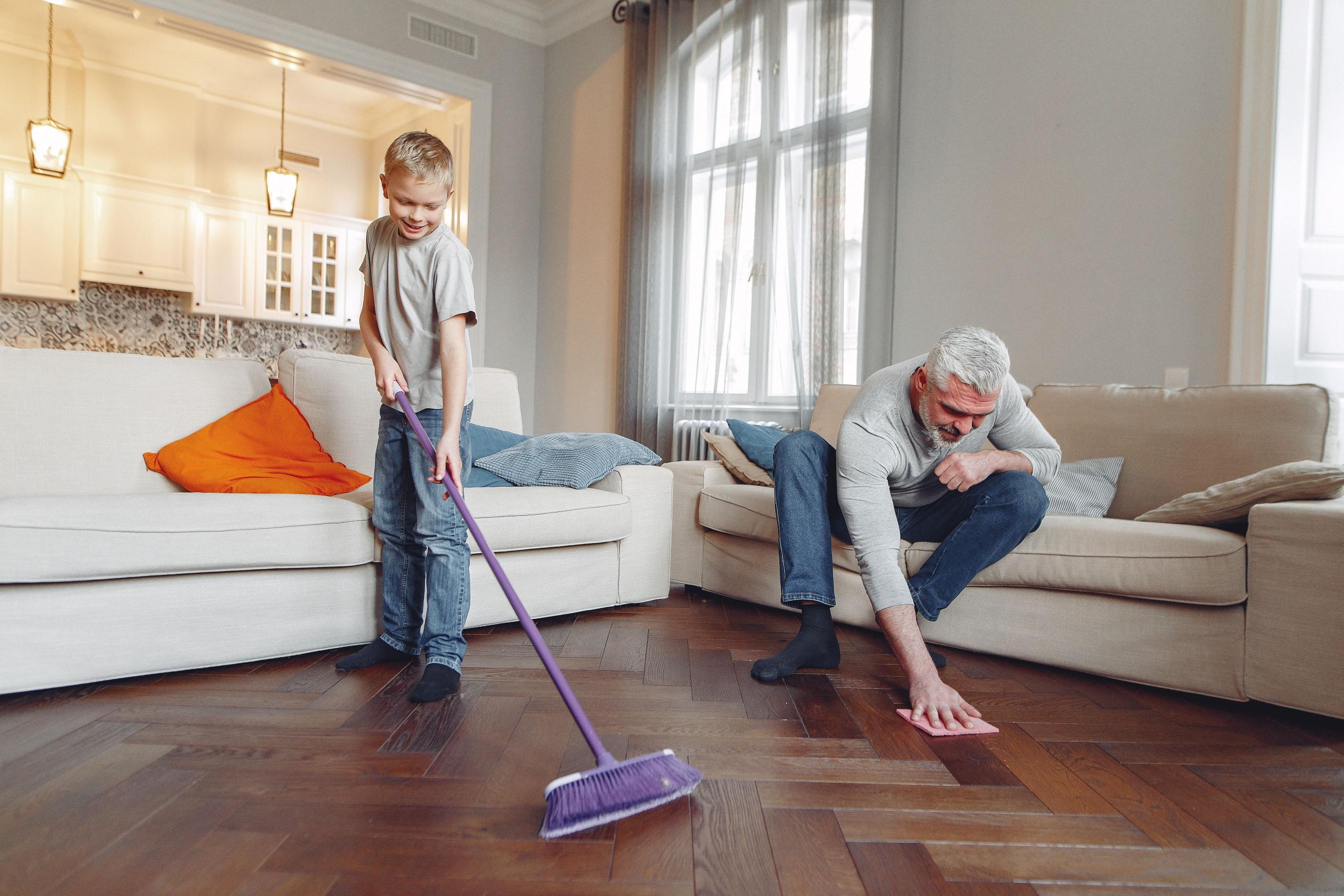
Even the easiest floor needs regular care. The good news is that a few minutes a day goes a long way. Sweep or vacuum high-traffic areas daily, especially near the stove, sink, and back door. Grit and crumbs act like sandpaper and wear down finishes over time.
Mop once or twice a week using a microfiber mop and a cleaner made for your floor type. Avoid vinegar on natural stone, harsh scrubbers on vinyl, and soaking wet mops on laminate or wood. Always wipe up spills right away. A robot vacuum or a cordless stick vacuum can make daily pickup almost effortless for busy families.
Prevention keeps floors cleaner for longer. Place a sturdy doormat outside and another inside each entry door to trap dirt before it spreads. Add washable rugs in front of the sink and stove. Put felt pads on chair and table legs, and set pet bowls on a waterproof mat. A “shoes off” rule can also cut down on the dirt tracked in.
- Sweep or vacuum daily and mop once or twice a week.
- Use cleaners and tools made for your specific floor type.
- Use doormats, washable rugs, felt pads, and pet bowl mats.
Conclusion
The best kitchen floor for a busy household is one that handles spills, hides everyday dirt, and stands up to kids, pets, and constant foot traffic. Luxury vinyl, porcelain tile, sheet vinyl, water-resistant laminate, and sealed concrete are all strong choices, each with its own balance of cost, comfort, and durability. Wood can work too, as long as you’re ready for a little extra care.
When you shop, think beyond looks. Choose water-resistant materials, fewer seams, mid-tone colors with some pattern, and a surface that isn’t slippery when wet. These small details can save you hours of cleaning each month.
Pair the right floor with a simple daily routine and a few smart protections like doormats and felt pads, and your kitchen will stay cleaner with less effort. That means more time enjoying meals with your family and less time on your hands and knees scrubbing.