
This article explores essential information about car collision repairs, addressing common concerns and questions from vehicle owners.
What to Expect During the Car Collision Repair Process?
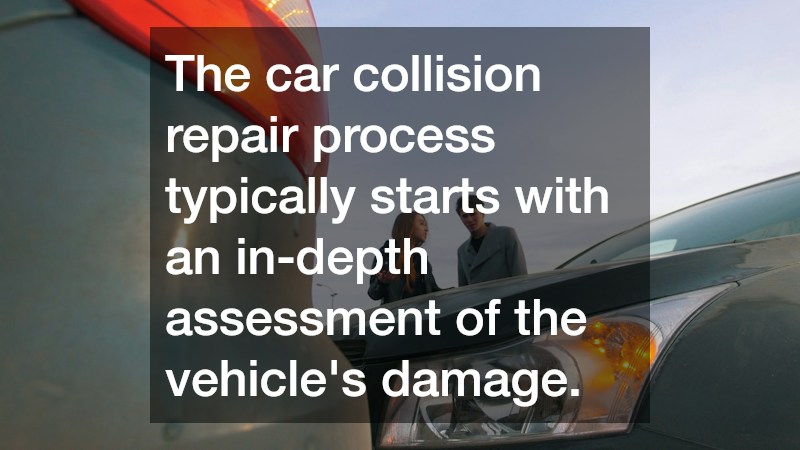
The car collision repair process typically starts with an in-depth assessment of the vehicle’s damage. This usually involves a thorough inspection by a certified technician who evaluates both visible and hidden damages.
Detailing the damage allows the repair shop to provide an accurate estimate of costs and repair time. Once the assessment is completed, the technician will discuss with the vehicle owner the necessary repairs and whether original equipment manufacturer (OEM) or aftermarket parts will be used. This initial assessment ensures both clarity and transparency, which are essential to trusting the repair process.
After the assessment, the repair process moves to disassembly, where the damaged parts are removed to reveal any further issues that may not have been visible initially. This stage is followed by ordering and replacing necessary parts, repairing any major components, and addressing frame damage if it’s present. The duration of this step largely depends on the extent of the damage and the availability of parts. Throughout this process, communications between the shop and the vehicle owner are crucial. This ensures that any new findings are promptly addressed, preventing unexpected charges and delays well before completion.
The final phase in the repair process is the reassembly and detailing of the vehicle, ensuring all components are securely and correctly fitted. It often includes alignments and mechanical repairs if the collision impacted such parts of the vehicle. Once assembled, a quality control inspection is typically conducted to ensure all repairs meet safety standards and original factory specifications. The vehicle owner should receive a full report on all work done and any warranties on parts and services.
How to Choose the Right Auto Body Shop for Repairs?
Selecting the appropriate auto body shop for collision repairs is crucial to ensuring high-quality service and minimal future issues. Start by gathering recommendations from family, friends, and online reviews to compile a list of prospective shops. Moreover, verify that each shop is certified by recognized bodies, such as the National Institute for Automotive Service Excellence (ASE) or by manufacturers, which signals a high-standard training and capability in handling specific vehicle brands. It’s also vital to visit multiple repair shops to compare estimates to avoid overpaying for repairs. This groundwork forms the basis to ensure a reliable, cost-efficient, and quality repair process.
An auto body shop should provide a clear, detailed written estimate before commencing any repairs. This transparency allows vehicle owners to understand what is covered within the budget and alleviates concerns about unexpected charges. Another consideration is the type of parts being used (OEM or aftermarket), as this can influence both the cost and the vehicle’s future performance. Additionally, confirm the shop’s warranty policies on repairs and parts.
Finally, consider the shop’s level of customer service because ongoing communication is pivotal throughout the repair process. A responsive body shop will update clients regularly about the progress and any new findings upon deeper inspections. By choosing a shop with exemplary customer service, you are likely to experience a smoother repair process with less stress. Furthermore, a commitment to prompt problem resolution signifies a shop that values its customers and stands behind its work. Look for these qualities to establish a trustworthy repair experience that meets your needs.
What Are Common Causes of Car Collisions and Their Impact on Repairs?
Car collisions often stem from multiple causes, including distracted driving, poor weather conditions, and road obstructions. Each cause influences the type and extent of damage sustained by the vehicle. For example, rear-end collisions, often resulting from tailgating or sudden stops, frequently lead to damage to the bumpers and trunk. This might necessitate replacement parts and realignments that ensure the car maintains its structural integrity and safety in future incidents. Understanding these collision causes aids in being prepared for the types of repairs that may be necessary.
Weather-related accidents usually bring about varying degrees of vehicle damage, necessitating comprehensive checks for hidden issues. Ice and rain may cause vehicles to skid, leading to impact with barriers or other vehicles. The result is frequently body damage that requires both cosmetic and structural repairs. Additionally, potholes or flooded roads can damage the suspension system, demanding thorough evaluations to detect any driveability compromises. Regardless of the weather conditions, ensuring precision in assessing water damage is critical to prevent long-term issues.
Finally, distracted driving, one of the leading causes of accidents, often results in more complicated repair demands. Drivers may fail to apply brakes in time, causing high-speed impacts that contribute to extensive body and engine damage. Such collisions might require parts replacements and complex reconfiguration of vehicle electronics like sensors or cameras formerly damaged in the crash. Addressing these technological elements is as crucial as structural repairs to ensure your vehicle operates efficiently. Awareness of these collision impacts bolsters preparation and informed handling of necessary repairs.
The article concludes with a summary of the crucial aspects of car collision repairs and emphasizes the importance of informed decision-making.