
Keeping your home at a comfortable temperature year-round is one of the most fundamental aspects of modern living, but it is also one of the most expensive. Whether you are battling the sweltering heat of mid-summer or the freezing temperatures of a harsh winter, the mechanical systems that regulate your indoor climate are constantly working behind the scenes. Consequently, these systems consume a massive portion of your household energy budget. In fact, for the average homeowner, climate control accounts for more than half of their monthly utility bills. When you combine those daily operating costs with the shockingly high price of emergency professional services and eventual equipment replacement, it becomes clear that taking a passive approach to your home’s climate systems is a costly mistake.
The frustration of high utility bills and the panic of a sudden breakdown are experiences almost every homeowner has faced. It usually happens at the absolute worst time—on a holiday weekend or during a record-breaking heatwave—leaving you desperate and vulnerable to premium pricing. However, the good news is that you have far more control over these expenses than you might realize. You do not need to be a mechanical engineer to understand the basics of how your system operates, nor do you need to be a professional technician to perform basic upkeep.
The core message you must internalize is that a proactive approach to temperature control is the absolute best way to keep your long-term costs down. By shifting your mindset from reactive panic to proactive management, you can extend the lifespan of your equipment, slash your monthly energy consumption, and ensure that when you do need to hire a professional, you are negotiating from a position of knowledge and strength.
This comprehensive guide is designed to equip you with the knowledge you need to protect your wallet. Throughout the following sections, we will explore highly actionable strategies ranging from simple do-it-yourself upkeep and basic troubleshooting to the nuances of negotiating with service professionals and strategically planning for equipment upgrades. By the time you finish reading, you will have a master plan for reducing your climate control expenses without ever sacrificing your family’s comfort.
The Power of Proactive System Care
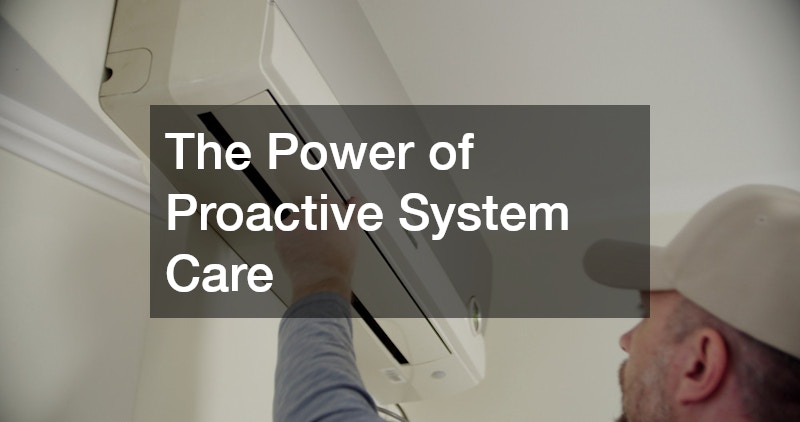
The difference between a homeowner who spends thousands on unexpected mechanical failures and one who enjoys low utility bills often comes down to routine upkeep. Basic, consistent care prevents minor wear and tear from snowballing into catastrophic system failures. Your heating and air conditioning setup is much like the engine of a car; if you never change the oil, you cannot be surprised when the engine eventually seizes. Furthermore, engaging in regular hvac preventative maintenance ensures that the machinery operates at its peak efficiency, using the least amount of electricity or gas possible to achieve the desired temperature on your thermostat.
-
Change Your Air Filters Monthly to Maximize Airflow
The single most important and easiest task you can perform is regularly changing your air filters. Your blower motor relies on a specific volume of air passing through the return ducts. When a filter becomes clogged with dust, pet hair, and household debris, it creates intense static pressure. The blower motor is forced to work exponentially harder to pull air through that blockage, which directly increases your electricity bill and severely risks burning out the motor itself. Furthermore, restricted airflow can cause the evaporator coil to freeze solid in the summer or the heat exchanger to overheat and crack in the winter. While many filter manufacturers claim their products last for three months, checking them every thirty days is a much safer financial bet. When selecting a filter, pay attention to the MERV (Minimum Efficiency Reporting Value) rating. While high-MERV filters catch smaller microscopic particles, they also restrict airflow more than lower-rated filters. For most standard residential systems, a MERV 8 filter offers the perfect balance of protecting the equipment from dust without choking the blower motor.
-
Clean Vents and Seal Ductwork Leaks
The conditioned air your system produces is completely useless if it never reaches your living spaces. The Department of Energy estimates that the average home loses up to 30% of its conditioned air through leaks, holes, and poorly connected ductwork. This means you are paying to heat and cool your attic, basement, or crawlspace. You can save a significant amount of money by inspecting any exposed ductwork in your home. Turn the system fan on and run your hands along the joints of the metal ducts; if you feel air escaping, you have found a leak. You should also look for dark dust trails on the insulation, which indicates air is blowing out. Seal these leaks using specialized mastic sealant or metallic foil tape. Never use standard cloth “duct tape,” as the adhesive dries out quickly and falls off when exposed to temperature fluctuations. Additionally, ensure that your supply registers and return grilles are completely unobstructed. Placing rugs, couches, or heavy curtains over these vents disrupts the entire airflow balance of your home, forcing the machinery to run longer cycles to satisfy the thermostat.
-
Clear Debris From Your Outdoor Condenser Unit
Your outdoor unit relies on the ability to pull massive amounts of ambient air across its metal fins to dissipate the heat it has removed from your house. If this unit is choked by overgrown bushes, tall grass, autumn leaves, or cottonwood seeds, the heat transfer process is severely hindered. The compressor will have to run longer and hotter, which drives up your energy bill and significantly shortens the lifespan of this incredibly expensive component. Make it a habit to maintain a strict two-foot clearance zone entirely around the outdoor unit, and ensure there is at least five feet of clearance above it. Every few months, turn off the power to the unit at the disconnect box and use a standard garden hose with a gentle spray nozzle to wash the dirt and debris off the delicate aluminum fins. Never use a high-pressure power washer, as the intense force will bend the fragile fins flat, permanently ruining the unit’s ability to breathe and forcing a costly replacement.
Smart Strategies for Handling Breakdowns
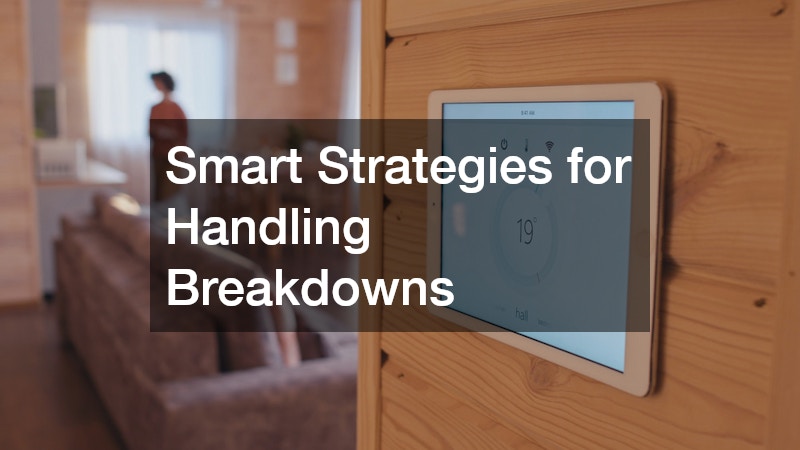
Even the most impeccably maintained machinery will eventually experience a breakdown. However, the way you react in the moments immediately following a failure dictates whether you will spend a negligible amount of money or face a devastating financial setback. When your home suddenly becomes unbearably hot in July, it is easy to panic and immediately authorize expensive ac repairs without assessing the situation. Knowing how to act smartly when things go wrong, and knowing who to call for reliable local air conditioning repair, will protect you from unnecessary panic-induced spending.
-
Troubleshoot Minor Issues Before Making a Call
Before you pick up the phone and commit to a costly weekend dispatch fee, walk through a basic troubleshooting checklist. An astonishing number of service calls are resolved by simply replacing dead batteries in the wall thermostat. If the screen is blank, start there. Next, check your home’s main electrical panel to see if a breaker has tripped. If it has, flip it completely off and then back on. You should also check the emergency shut-off switch near your indoor furnace or air handler; these look exactly like standard light switches and are easily bumped by accident, completely cutting power to the machinery. Finally, if you are running your cooling system, check your condensate drain line. If this PVC pipe becomes clogged with algae or sludge, water will back up into the drain pan. Most modern systems are equipped with a safety float switch that will intentionally shut down the entire system to prevent water from overflowing and ruining your ceilings or floors. Clearing a clogged drain line with a wet/dry vacuum can save you a $200 service visit.
-
Address Strange Noises or Odors Immediately
Machinery rarely fails completely without giving you a warning first. Ignoring a small, unusual symptom almost always leads to a much more expensive mechanical failure a few weeks later. If you hear a high-pitched squeal, you likely have a worn fan belt or failing motor bearings; replacing a belt is cheap, but replacing a seized motor is not. A loud banging or clanking noise usually indicates a loose part or a failing compressor spring. If you smell a musty, dirty sock odor, you likely have mold growing on your indoor coil, which reduces efficiency and degrades indoor air quality. Most alarmingly, if you ever smell an acrid, burning electrical odor, turn the system off immediately. This points to a failing blower motor, a melted wire casing, or a dying capacitor. By calling a professional to address these sounds and smells at the very first sign of trouble, you are practicing damage control and preventing an inexpensive minor component failure from destroying major, costly parts.
-
Ask About Warranties and Guarantees on Replacement Parts
If a technician diagnoses a failed component, your immediate follow-up question should always be about warranty coverage. Many homeowners pay entirely out of pocket for expensive parts like blower motors, compressors, or control boards simply because they did not realize the equipment was still under the manufacturer’s warranty. Most modern equipment comes with a standard five-year parts warranty, which is often extended to ten years if the original installer registered the equipment with the manufacturer shortly after purchase. Even if you are not the original homeowner, it is worth asking the technician to look up the serial number to verify the warranty status. While a manufacturer’s warranty typically covers the cost of the replacement part itself, you will usually still be responsible for the labor costs associated with installing it. Nonetheless, having the part covered can reduce the final bill by hundreds or even thousands of dollars.
Vetting and Hiring the Right Professionals

The service industry is heavily populated with highly skilled, honest tradespeople, but it also has its fair share of aggressive salespeople and inexperienced technicians. Because most homeowners do not possess the technical knowledge to verify a mechanic’s claims, they are inherently vulnerable. This section is dedicated to consumer protection and negotiation. Learning how to properly screen any HV AC company before allowing them into your home is crucial. By meticulously vetting ac repair companies in your area, you ensure that you are paying fair market prices for high-quality, lasting workmanship rather than overpaying for subpar, corner-cutting labor.
-
Compare At Least Three Quotes for Major Work
If a technician tells you that your system requires a major, multi-thousand-dollar overhaul or a complete replacement, you must never accept the very first quote you receive. You must get multiple opinions to establish a baseline cost for your specific geographic area. Prices can vary wildly from one business to the next based on their current overhead, how busy they are, and their specific business model. A smaller, family-owned business might offer a much better rate than a massive corporate franchise with heavy advertising budgets. However, you must also beware of the absolute lowest bidder. Quotes that are drastically cheaper than the market average often indicate that the contractor plans to cut corners, reuse old materials, or employ unlicensed laborers. When comparing quotes, ensure they are itemized and specify the exact model numbers of the equipment being proposed so you can accurately compare apples to apples.
-
Verify Licensing, Insurance, and Customer Reviews
Do not take a contractor’s word that they are fully credentialed; verify it yourself. Most states have an online database where you can look up a contractor’s license number to ensure it is active and in good standing. An active license means the state recognizes their technical competency. Equally important is verifying their insurance. You must ask for proof of both general liability insurance and workers’ compensation. If a technician accidentally causes a fire or drops heavy equipment through your ceiling, liability insurance ensures you are not left paying for the property damage. If a technician is injured on your property and their employer lacks workers’ compensation, you could be sued for their medical bills. Furthermore, read between the lines of online reviews. Don’t just look at the star rating; read the text to see if customers mention specific, consistent technicians by name, and pay close attention to how the management responds to the inevitable one-star reviews. A professional, measured response to a complaint is often a better indicator of good customer service than a flawless five-star record.
-
Negotiate Annual Service Contracts for Long-Term Savings
Most service providers offer what is known as an Energy Savings Agreement, or a preventative maintenance contract. For a set annual fee, the company will come out twice a year (once in the spring for cooling, once in the fall for heating) to clean, inspect, and tune up your equipment. While this requires an upfront investment, it almost always pays for itself. These contracts usually come with significant loyalty perks, such as priority scheduling. If your system breaks down during a July heatwave, contract holders are moved to the front of the line. Furthermore, these agreements almost always waive expensive after-hours or weekend emergency dispatch fees, and they typically provide a 10% to 15% discount on any parts or labor you might need throughout the year. If you plan to stay in your home for several years, joining a reliable contractor’s loyalty program is a mathematically sound strategy.
Upgrading for Long-Term Energy Efficiency
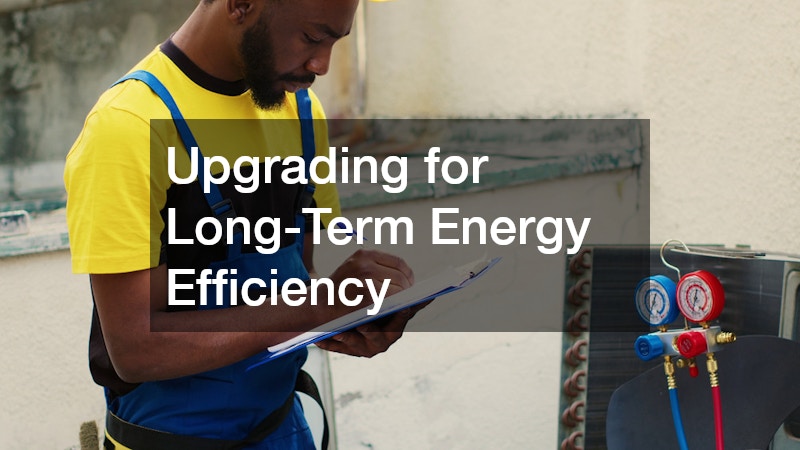
There comes a point in the lifecycle of every mechanical system where pouring money into ongoing repairs becomes a foolish financial endeavor. Sometimes, the most cost-effective choice a homeowner can make is cutting their losses and replacing an energy-hogging, outdated unit. Making smart upgrade decisions requires understanding the current technology landscape and the financial incentives available to you. Standard residential hvac equipment has a finite lifespan, and clinging to a dying unit will only drain your bank account through exorbitant electricity bills and frequent breakdowns. Furthermore, exploring modern solutions like a heat pump installation can drastically alter your home’s energy consumption profile for the better.
-
Apply the “5,000 Rule” to Decide Between Repairing and Replacing
Deciding exactly when to pull the trigger on a total system replacement can be stressful. To remove the emotion from the decision, industry experts recommend applying the “5,000 Rule,” a simple mathematical formula used as a rule of thumb. You multiply the age of your equipment in years by the estimated cost of the quoted repair. If the resulting number exceeds 5,000, replacing the unit is the financially prudent choice. If the number is less than 5,000, repairing it makes more sense. For example, if you have a 12-year-old system and face a $500 repair bill (12 x 500 = 6,000), it is time to replace it. Conversely, if your system is only 4 years old and needs a $400 repair (4 x 400 = 1,600), you should authorize the repair. An important exception to this rule applies to very old systems that still use phased-out R-22 Freon. Because this older refrigerant is no longer manufactured, its price is astronomically high, making almost any major refrigerant-related repair on an R-22 system financially unviable.
-
Explore Energy-Efficient Alternatives to Traditional Systems
If you are facing a replacement, you must look beyond simply buying a newer version of the exact same machinery you currently have. Technology has advanced significantly over the last decade. Traditional systems typically operate on a single-stage basis—they are either running at 100% maximum capacity or they are completely off. Modern, high-efficiency equipment utilizes variable-speed compressors and modulating gas valves. This technology allows the system to run continuously at very low capacities (like 30% or 40%), which drastically reduces the massive electrical draw required to start and stop a system, while simultaneously providing vastly superior humidity control and more even temperatures throughout the house. You should also deeply consider making the switch to electric-driven technology rather than relying on fossil fuels. Modern electric systems are capable of extracting heat from the outdoor air even in freezing temperatures, offering incredible efficiency and reducing your home’s carbon footprint while eliminating the dangers of carbon monoxide associated with natural gas.
-
Hunt for Government Rebates and Tax Credits
The initial sticker shock of high-efficiency equipment can be intimidating, but you should rarely have to pay the full retail price. There is currently a massive push at the federal, state, and local utility levels to incentivize homeowners to upgrade to greener technology. Start by checking with your local gas and electric utility providers; they frequently offer cash rebates ranging from $300 to over $1,000 for installing equipment that meets certain high-efficiency benchmarks (measured in SEER2 and HSPF2 ratings). More importantly, the federal government offers robust tax incentives under recent legislation. Homeowners can claim thousands of dollars in federal tax credits for installing qualifying high-efficiency equipment, effectively shifting a significant portion of your installation costs back into your own pocket during tax season. Always consult with your tax professional and ensure your contractor provides the specific AHRI (Air-Conditioning, Heating, and Refrigeration Institute) certificates required to prove the new equipment qualifies for these financial kickbacks.
Maximizing Value During a System Overhaul
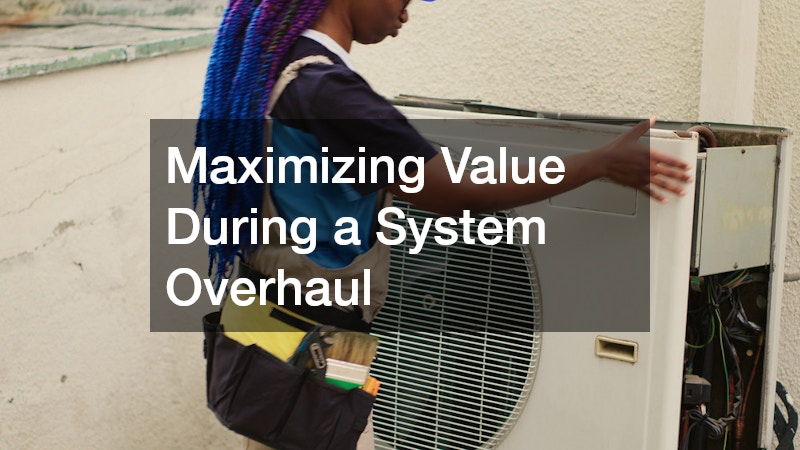
Once you have finally decided to purchase a new system and selected the right equipment, you enter the most critical phase of the process: the installation. The day your new equipment is installed is arguably the most important day of its entire lifecycle. Even the most expensive, top-of-the-line machinery will perform terribly, break down constantly, and cost a fortune to operate if it is installed incorrectly. You must be heavily involved in overseeing the ac company you choose to ensure everything is done by the book. Protecting your massive financial investment means demanding excellence from your hvac installation service and refusing to accept rushed or undocumented work.
-
Demand a Proper “Manual J” Load Calculation
One of the most dangerous and common mistakes contractors make is sizing a new system based entirely on the square footage of the home or simply looking at the size of the old unit and replacing it with one of the same capacity. This outdated rule-of-thumb method is entirely unacceptable today. Homes have evolved; you may have added better attic insulation, installed double-pane energy-efficient windows, or sealed drafty doors since the original system was put in. Therefore, your home’s thermal dynamics have changed. You must demand that your contractor performs a “Manual J” load calculation. This complex mathematical formula takes into account your local climate, the direction your home faces, the number of windows, insulation values, and even the number of occupants to determine the exact cooling and heating capacity your specific home requires. An oversized system will “short cycle”—turning on and off rapidly—which fails to remove humidity from the air, leaves your home feeling cold and clammy, and burns out the compressor prematurely. An accurately sized system runs longer, gentler cycles, saving energy and maximizing comfort.
-
Schedule Major Projects During the Off-Season
If your current system is on its last legs but hasn’t completely died yet, you have a massive strategic advantage: the luxury of time. You should intentionally plan to execute your total system replacement during the industry’s off-seasons, known as the “shoulder seasons.” These periods typically occur in the mild weeks of early spring and mid-to-late autumn. During the dead of summer or the freezing peak of winter, contractors are overwhelmed with emergency calls and have absolutely zero incentive to negotiate on price. However, during the mild shoulder seasons, the phones stop ringing, and business owners become desperate to keep their installation crews busy and generating revenue. If you request quotes during these slow periods, contractors are significantly more likely to offer steep discounts, throw in free upgrades like premium smart thermostats or advanced media filters, and spend more meticulous, unhurried time on the installation itself because they aren’t rushing to get to the next emergency call.
-
Review the Contract Thoroughly Before Signing
A major home improvement project should never be finalized on a handshake. Before any work begins, you must have a highly detailed, written contract in your possession, and you must review it meticulously. The contract should explicitly list the exact manufacturer names and specific model numbers of every piece of equipment being installed, including the outdoor condenser, the indoor air handler or furnace, and the evaporator coil. This ensures you are actually getting the matched system you paid for. The scope of work should be crystal clear. Does the price include replacing the copper refrigerant lines (the line set), or are they flushing and reusing the old ones? Are they responsible for pulling the necessary municipal building permits and scheduling the final city inspection? The contract must also explicitly state that the contractor is fully responsible for all job site clean-up and the legal disposal or recycling of your old, heavy equipment and its chemical refrigerants. Finally, ensure the payment schedule is clearly outlined; never pay the entire sum upfront before the equipment is delivered and the work has commenced.
Conclusion
Navigating the financial demands of maintaining a comfortable home does not have to be an overwhelming or perpetually draining experience. While the machinery that regulates your indoor climate is complex, the strategies required to manage its costs are highly accessible to anyone willing to take an active role. By refusing to treat your home’s mechanical systems as invisible boxes that you only think about when they break, you transition from a vulnerable consumer to an empowered homeowner.
The journey to significant savings is an ongoing process. It begins with the simplest habits, like committing to a strict schedule of filter replacements and keeping the immediate areas around your equipment clean and clear of obstructions. It evolves into learning how to remain calm and methodical when minor issues arise, utilizing basic troubleshooting techniques before paying for professional intervention. Ultimately, it culminates in knowing how to navigate the service industry with confidence—vetting contractors rigorously, demanding transparent pricing, and understanding the long-term financial benefits of upgrading to modern, highly efficient technology when the time is right. By applying these comprehensive strategies, you can ensure that your home remains a sanctuary of comfort without constantly draining your financial resources.